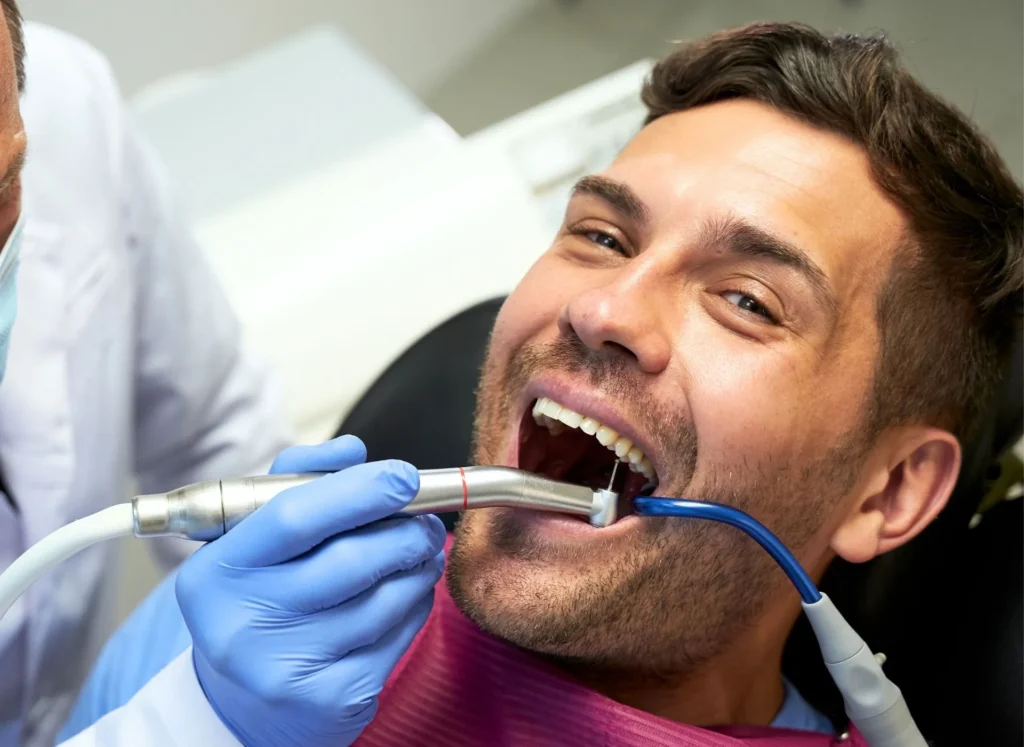
Ultrasonic dental cleaning: how it works
Ultrasonic dental cleaning is one of the most common professional hygiene techniques used to remove plaque, tartar and deposits from the teeth in a precise and efficient way. Many patients have heard the sound or felt the gentle vibration of an ultrasonic scaler during a hygiene appointment, but they may not know exactly how it works or why it is used.
At My Dental Clinic in Dubai, professional oral hygiene is considered an essential part of prevention. A healthy smile is not only about having clean-looking teeth; it also means supporting the gums, protecting the enamel, reducing bacterial buildup and identifying early signs of oral health problems before they become more complex.
Ultrasonic dental cleaning can be especially useful when tartar has accumulated around the gum line or in areas that are difficult to reach with normal brushing. It is carried out by trained dental professionals who know how to adapt the technique to each patient’s sensitivity, gum condition and clinical needs.
In this article, we will explain what ultrasonic dental cleaning is, how it works, when it is recommended, whether it can be uncomfortable, how it differs from manual cleaning, why it should never be replaced by DIY methods and how to maintain the results at home.
What is Ultrasonic dental cleaning?
Ultrasonic dental cleaning is a professional hygiene technique that uses a dental instrument called an ultrasonic scaler. This instrument has a fine tip that vibrates at very high frequency and is used to help break down tartar, plaque and bacterial deposits from the tooth surface and around the gum line. During the procedure, water is sprayed at the same time to cool the tip, rinse away debris and make the cleaning more comfortable.
The most important point for patients to understand is that ultrasonic dental cleaning is not the same as brushing harder at home. Tartar is hardened plaque, and once it attaches to the teeth, it cannot be safely removed with a toothbrush, floss or home tools. It needs professional care, correct visibility and appropriate instruments.
Ultrasonic cleaning may be used during routine hygiene visits, periodontal maintenance appointments, implant maintenance or before certain dental treatments. The hygienist or dentist decides how and where to use it after assessing the patient’s mouth.
At My Dental Clinic, the hygiene team takes a patient-centred approach. The aim is not only to remove deposits, but also to help patients understand why buildup occurs and how to reduce it between appointments. This may include advice on brushing technique, interdental cleaning, diet habits and gum health.
Ultrasonic dental cleaning is therefore both a cleaning method and part of a broader preventive strategy. It supports oral health by removing deposits that daily home care cannot manage alone.
How does Ultrasonic dental cleaning work?
Ultrasonic dental cleaning works through very rapid vibrations created at the tip of the scaler. When the tip touches or moves close to tartar deposits, the vibration helps loosen and break them away from the tooth surface. At the same time, a steady flow of water helps flush away loosened particles and bacteria.
This combination of vibration and water makes the procedure efficient. The instrument does not “drill” the teeth and does not remove healthy tooth structure when used correctly. Its purpose is to disrupt and remove deposits that have attached to the enamel or root surface.
The water spray also creates a cleansing effect around the treated area. It helps keep the instrument cool, improves visibility and washes away debris. Patients may feel vibration, water movement and a light scraping sensation, but the experience is usually manageable and can be adapted to comfort levels.
The hygienist may use ultrasonic dental cleaning in combination with manual instruments. This is because every mouth is different. Some areas respond well to ultrasonic cleaning, while others may need a more delicate manual finish. The combination allows for a more complete and personalised result.
At My Dental Clinic, the dental professional checks the condition of the gums and teeth before choosing the most suitable technique. If the gums are inflamed or sensitive, the cleaning can be adjusted with a gentler approach, pauses and clear communication.
Ultrasonic dental cleaning is most effective when it is part of regular preventive care, not something done only when symptoms appear.
Why is Ultrasonic dental cleaning used to remove tartar?
Ultrasonic dental cleaning is often used because tartar can be difficult to remove with manual instruments alone, especially when it has accumulated in thicker layers or in areas close to the gum line. Tartar creates a rough surface where bacteria can collect more easily, which may contribute to gum inflammation, bleeding and bad breath.
Once plaque hardens into tartar, home care is no longer enough to remove it. A patient may brush carefully every day and still feel rough areas behind the lower front teeth or near the gums. These deposits need to be removed professionally to allow the gums to stay healthier.
The ultrasonic scaler helps break tartar into smaller fragments, making removal more efficient and often more comfortable than prolonged scraping. It can also be useful around crowded teeth, behind teeth and in areas where access is limited.
However, the purpose of ultrasonic dental cleaning is not only cosmetic. Although teeth may feel smoother and look cleaner afterward, the deeper value is prevention. Removing tartar helps reduce bacterial retention and supports healthier gums.
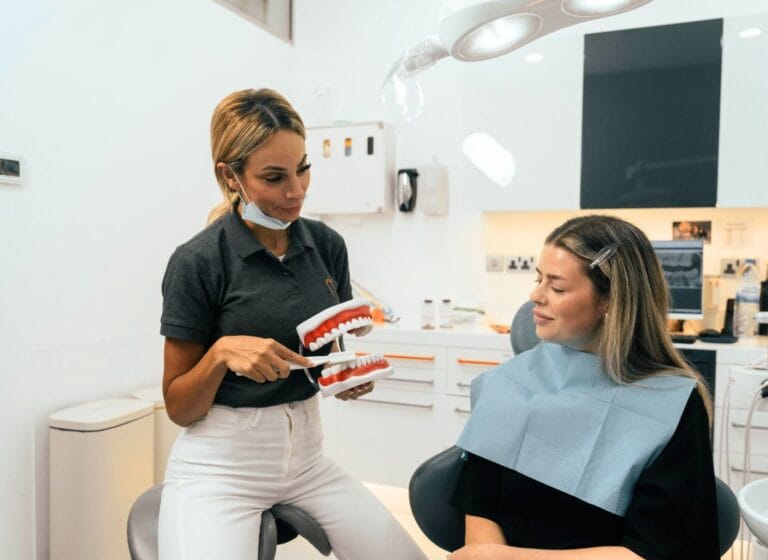
At My Dental Clinic, patients are often shown where plaque and tartar tend to accumulate, so they can understand their own risk areas. This turns the hygiene visit into a learning opportunity rather than just a procedure.
Tartar buildup can vary from patient to patient. Some people develop it quickly because of saliva composition, tooth position or brushing technique. Others build up less but may still need periodic professional cleaning. A personalised hygiene plan is always the safest approach.
Can Ultrasonic dental cleaning help with gum health?
Yes, ultrasonic dental cleaning can support gum health by removing plaque and tartar that irritate the gums. Healthy gums should not bleed regularly, feel swollen or appear persistently red. When bacterial deposits remain near the gum line, the gums may become inflamed, and this can be an early sign of gum disease.
In many patients, gum inflammation begins silently. There may be slight bleeding during brushing, mild bad breath or tenderness, but no severe pain. Because the symptoms can seem minor, patients sometimes ignore them. Professional cleaning helps remove the deposits that contribute to inflammation and gives the dental team a chance to assess the gums more carefully.
Ultrasonic dental cleaning can be especially useful during periodontal maintenance, where the goal is to control bacterial buildup around teeth that have a history of gum problems. In these cases, the hygienist may also measure gum pockets and monitor changes over time.
It is important to understand that ultrasonic cleaning alone is not a complete solution for every gum condition. If there is more advanced periodontal disease, the patient may need a more detailed periodontal plan, follow-up appointments and specific home care instructions. The dentist or hygienist will explain what is necessary based on the diagnosis.
At My Dental Clinic, gum health is treated with attention and empathy. Patients are guided without judgement and are given practical advice that fits their daily routine. The goal is to make prevention realistic, not overwhelming.
Ultrasonic dental cleaning helps create a cleaner environment where gums can respond more positively.
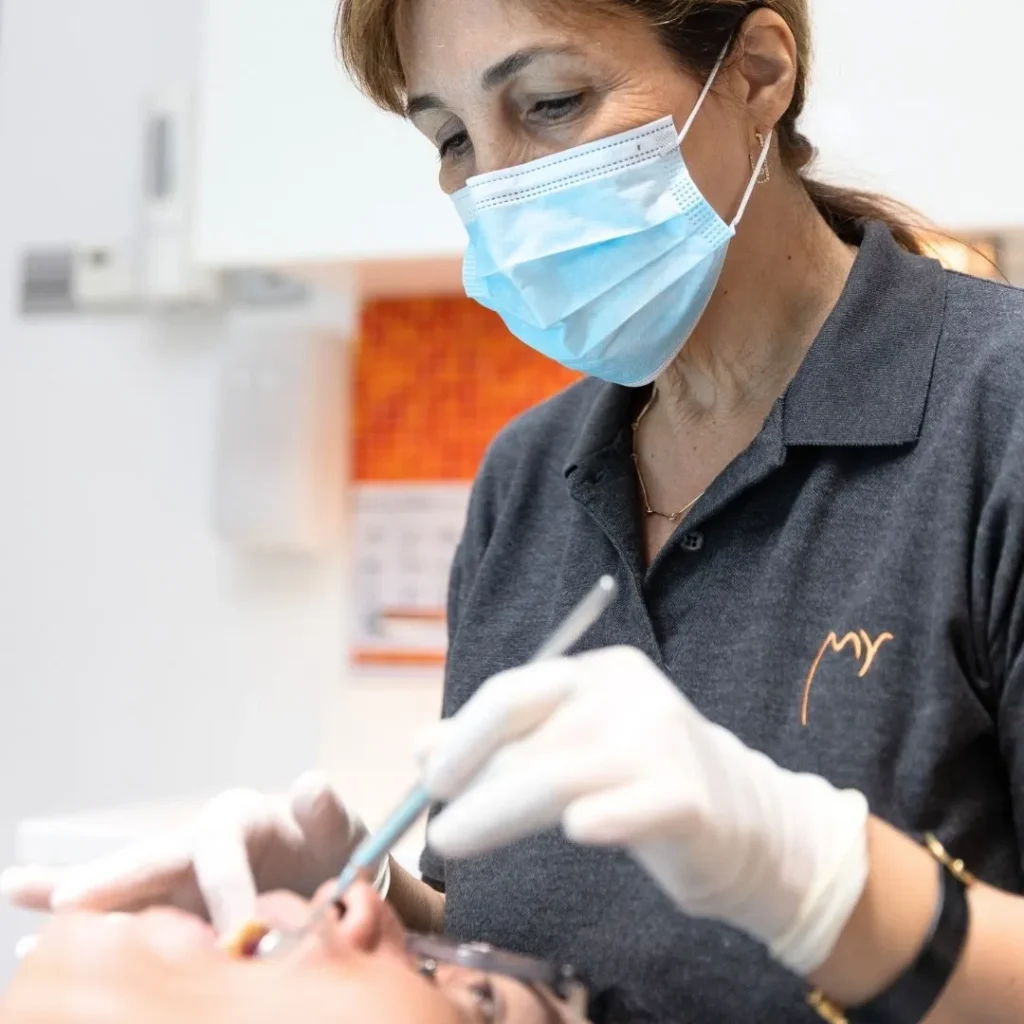
Is Ultrasonic dental cleaning painful?
Ultrasonic dental cleaning is usually not painful, but the sensation can vary from patient to patient. Many people describe it as a vibration with water spray and light pressure. Some areas may feel more sensitive, especially if the gums are inflamed, if there is gum recession, exposed root surfaces or a large amount of tartar.
Sensitivity does not mean the cleaning is harmful. It often means that certain areas need more attention or that the gums are already irritated. The hygienist can adapt the treatment by changing the pressure, using a gentler setting, taking breaks or focusing carefully on sensitive zones.
Patients should always speak up during the appointment if they feel discomfort. A professional hygiene visit should be based on communication. The dental team can make adjustments, explain what is happening and help the patient feel more in control.
At My Dental Clinic, the experience is designed to be calm and reassuring. Many patients feel nervous before dental hygiene appointments because of previous experiences, sensitivity or fear of being judged. The team’s approach is simple and empathetic: the aim is to help, not criticise.
It is also worth remembering that delaying hygiene care can sometimes make future appointments more uncomfortable. When tartar builds up for a long time, the gums may become more inflamed and sensitive. Regular ultrasonic dental cleaning, when recommended, can make appointments easier over time because deposits are managed before they become excessive.
Comfort is part of safe dental care, and patients should never feel they have to tolerate unnecessary pain.
How is Ultrasonic dental cleaning different from manual scaling?
Ultrasonic dental cleaning and manual scaling are both professional techniques used to remove plaque and tartar, but they work differently. Ultrasonic cleaning uses high-frequency vibration and water spray to loosen deposits, while manual scaling uses hand instruments to remove deposits with controlled movements.
One method is not automatically better than the other. In many cases, they are used together. Ultrasonic cleaning can be very effective for removing larger tartar deposits and cleaning around certain areas efficiently. Manual instruments can then be used for detailed finishing, delicate areas or spots that require more tactile control.
The choice depends on the patient’s oral condition. A person with light buildup may need only a simple hygiene approach, while someone with heavier tartar or gum inflammation may benefit from a combination of techniques. Patients with certain sensitivities, restorations or medical considerations may also need an adapted plan.
The dental professional’s skill is more important than the instrument alone. Ultrasonic dental cleaning must be performed correctly, with the right angle, movement and pressure. When used by a trained professional, it can be safe, effective and comfortable.
At My Dental Clinic, the hygienist chooses the method according to what is best for the patient, not according to a fixed routine. This personalised approach helps protect the teeth, gums and any existing dental work such as crowns, veneers, implants or retainers.
Patients do not need to decide which technique they need. The safest choice is to have a professional assessment and follow the recommendation based on the condition of the mouth.
Can Ultrasonic dental cleaning damage teeth?
When carried out correctly by a trained dental professional, ultrasonic dental cleaning is designed to remove deposits without damaging healthy teeth. The instrument is used with specific technique, controlled pressure and continuous water flow. It should not be confused with aggressive scraping or unsafe home tools.
Patients sometimes worry because they hear a high-pitched sound or feel vibration during the procedure. This can make the cleaning seem more intense than it actually is. The sound comes from the instrument’s vibration, not from drilling or cutting the tooth. The aim is to detach tartar, not remove enamel.
However, like any dental procedure, the technique must be adapted to the patient. Teeth with exposed roots, sensitivity, restorations, implants or delicate gum areas need careful handling. This is why ultrasonic dental cleaning should always be performed in a clinical setting, after assessment.
Trying to copy the procedure at home with online tools is risky. Home scalers, sharp instruments and unverified devices can scratch enamel, injure gums, damage restorations and push bacteria into sensitive areas. Even if a tool looks similar, it does not replace professional training or proper diagnosis.
At My Dental Clinic, the dental team evaluates the patient’s mouth before and during the cleaning. If a certain area needs a gentler technique, the approach can be changed immediately. This is one of the reasons professional care is safer than DIY methods.
Ultrasonic dental cleaning is safe when used properly, but it should never be improvised outside the dental practice.
Why should you avoid DIY ultrasonic cleaning tools?
DIY ultrasonic cleaning tools may seem convenient, but they can create real risks for teeth and gums. Many online products promise professional-level cleaning at home, but patients do not have the same visibility, training or diagnostic knowledge as a dental professional.
The biggest risk is injury. The gum line is delicate, and incorrect pressure can cause cuts, recession or irritation. Enamel and root surfaces can also be scratched if a tool is used incorrectly. Around crowns, veneers, fillings, implants or orthodontic retainers, unsafe use may damage the margins or create areas where plaque collects more easily.
Another problem is false confidence. A patient may remove some visible buildup and believe the mouth is clean, while tartar remains under the gum line or between teeth. Without professional assessment, gum disease, cavities, cracks or other concerns can be missed.
Ultrasonic dental cleaning is not simply a device; it is a clinical procedure. The hygienist understands where to place the tip, how much pressure to use, when to stop, when to use manual instruments and when the patient needs further periodontal evaluation.
At My Dental Clinic, patients are encouraged to focus on safe home care: brushing correctly, cleaning between the teeth and attending professional hygiene appointments at the right interval. Home care and professional care work together, but they do not replace each other.
Patients should avoid sharp tools, home scalers, abrasive powders and online “tartar removal” tricks. These methods may cause damage that is more difficult to treat than the original buildup.
What should you expect after Ultrasonic dental cleaning?
After ultrasonic dental cleaning, the teeth often feel smoother and fresher. Many patients notice that their mouth feels lighter because plaque, tartar and surface deposits have been removed. If there was external staining, the teeth may also look brighter, although cleaning is not the same as whitening.
Some patients may experience temporary sensitivity after the appointment, especially if there was gum inflammation, exposed root surface or significant tartar buildup. This usually improves, but the patient should contact the clinic if sensitivity is strong, persistent or unusual.
The gums may also feel slightly tender if they were inflamed before cleaning. As plaque control improves, the gums often become calmer and bleed less. The hygienist may provide specific instructions for the first days after the appointment and for long-term maintenance.
It is important to continue daily care immediately. Ultrasonic dental cleaning removes existing deposits, but plaque begins forming again naturally. Brushing twice a day, cleaning between the teeth and following the hygienist’s advice helps maintain the result.
At My Dental Clinic, patients receive personalised guidance based on what was found during the cleaning. For example, one patient may need advice on interdental brushes, another may need help with bleeding gums, and another may need support around retainers or restorations.
The best results come when the hygiene appointment becomes part of a regular prevention routine. Professional cleaning gives the patient a fresh start, but daily habits protect that result between visits.
How often should you have Ultrasonic dental cleaning?
The frequency of ultrasonic dental cleaning depends on the patient’s oral health, gum condition, tartar buildup and individual risk factors. There is no single schedule that is perfect for everyone. Some patients need routine maintenance at standard intervals, while others may require more frequent visits because of gum disease, implants, orthodontic appliances, heavy tartar buildup or difficulty cleaning certain areas.
Patients who develop tartar quickly may benefit from more regular hygiene visits, even if they brush every day. Saliva composition, tooth position, crowded teeth and daily habits can all influence how quickly deposits form.
People with bleeding gums, periodontal pockets or previous gum problems may need a more structured hygiene plan. In these cases, professional cleaning is not only about comfort or freshness; it is part of maintaining gum stability.
The hygienist or dentist will recommend the right interval after examining the mouth. This recommendation may change over time. For example, if a patient improves home care and gum health becomes stable, the schedule may be adjusted. If new concerns appear, appointments may need to become more frequent for a period.
At My Dental Clinic, prevention is personalised. The team takes time to explain why a certain hygiene schedule is recommended, so patients understand the reason behind it. This makes it easier to stay consistent and motivated.
Ultrasonic dental cleaning works best when it is planned around the patient’s real needs, rather than treated as a one-size-fits-all appointment.
Conclusion on Ultrasonic dental cleaning
Ultrasonic dental cleaning is a professional hygiene technique that uses high-frequency vibration and water spray to remove plaque, tartar and deposits from the teeth. It can help support gum health, reduce bacterial buildup and make the teeth feel smoother and cleaner.
The treatment is commonly used during hygiene appointments, but it should always be adapted to the patient’s mouth. Gum sensitivity, tartar levels, restorations, implants and periodontal health all influence how the cleaning is performed. In many cases, ultrasonic cleaning is combined with manual instruments for a complete and careful result.
Patients should avoid DIY ultrasonic tools, sharp scalers, abrasive powders and online cleaning methods. Tartar removal requires professional training, correct visibility and clinical judgement. Trying to remove deposits at home can injure gums, scratch teeth or damage dental work.
At My Dental Clinic in Dubai, ultrasonic dental cleaning is part of a preventive, empathetic and personalised approach. The hygiene team focuses not only on cleaning the teeth, but also on helping patients understand how to maintain healthier gums and a fresher smile between appointments.
If you would like to know whether ultrasonic dental cleaning is suitable for your oral health needs, contact the clinic to book an appointment and receive personalised guidance.
Visit My Dental Clinic at Al Thanya Street 61, Umm Suqeim 2, Dubai