Aesthetic differences between clear aligners and lingual braces
Orthodontic treatment is no longer only associated with traditional visible braces. Today, many patients want to improve tooth alignment while keeping their smile as natural-looking as possible during treatment. Two options often considered for a more discreet orthodontic journey are clear aligners and lingual braces.
Understanding the differences between clear aligners and lingual braces is important because both treatments can be discreet, but they work in very different ways. Clear aligners are removable transparent trays that fit over the teeth and guide them gradually into a better position. Lingual braces are fixed braces placed on the inner side of the teeth, facing the tongue, so they are hidden from the front when the patient smiles.
At My Dental Clinic in Dubai, orthodontic treatment is planned with a personalised and careful approach. The goal is not simply to make teeth look straighter, but to improve alignment in a way that respects the bite, gums, enamel, facial balance and long-term stability. Aesthetic preferences matter, but the safest choice also depends on the clinical situation.
In this article, we will explain what clear aligners and lingual braces are, how they look during treatment, how they affect speech and comfort, what patients should know about hygiene, when each option may be more suitable and why orthodontic treatment should always be supervised by a dentist.
What are the main differences between clear aligners and lingual braces?
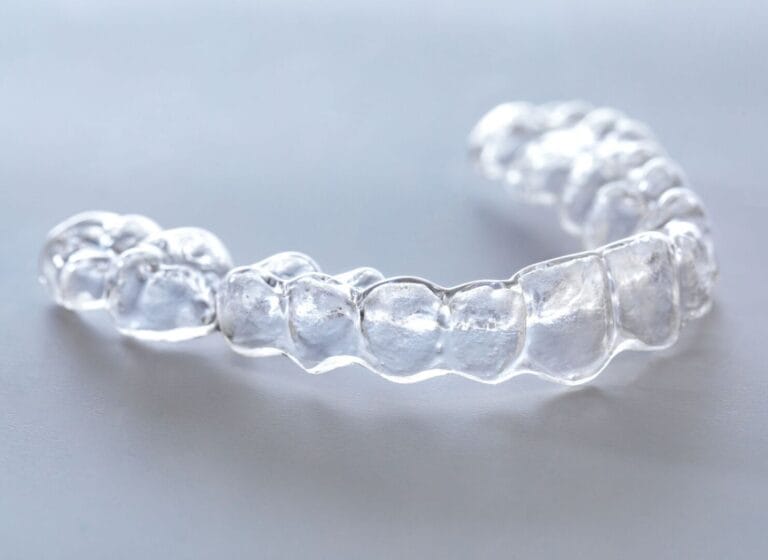
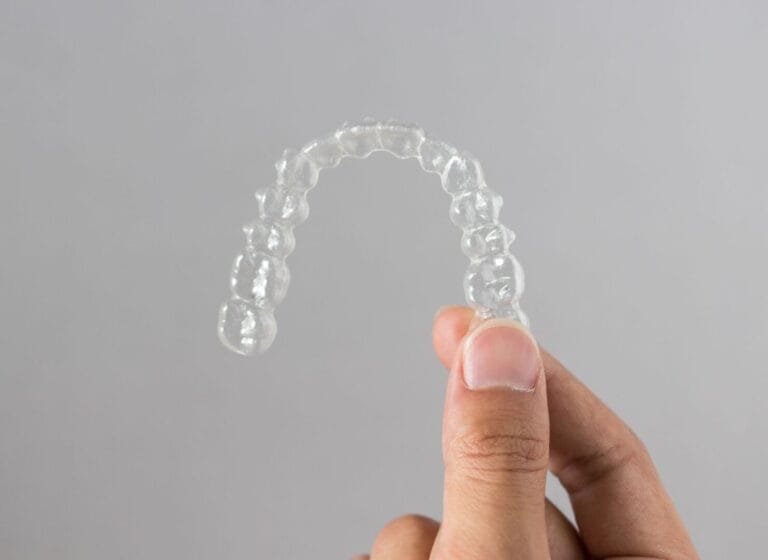
The main differences between clear aligners and lingual braces begin with their design. Clear aligners are removable trays made to fit closely over the teeth. They are worn for most of the day and night, but they can be removed for eating, drinking anything other than water, brushing and cleaning between the teeth. They work through a planned sequence of aligners, with each tray moving the teeth gradually.
Lingual braces, on the other hand, are fixed orthodontic appliances placed behind the teeth. They are not removed by the patient. They use brackets and wires, but because they are positioned on the inner surface of the teeth, they are not visible from the front in most everyday situations. This makes them a discreet option for patients who prefer not to show orthodontic appliances when speaking or smiling.
From an aesthetic point of view, clear aligners may be visible at close range because they cover the teeth and can reflect light slightly. Lingual braces are generally hidden when viewed from the front, but they may be felt by the tongue and can require more adaptation. The choice is therefore not only about visibility, but also about comfort, lifestyle, hygiene and the type of tooth movement required.
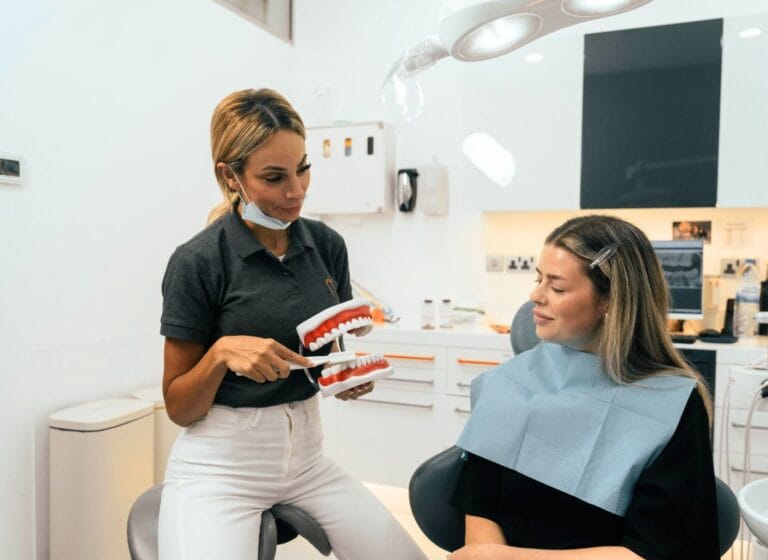
At My Dental Clinic, the orthodontic evaluation may include digital scans, photographs and X-rays when necessary. This helps the dentist understand whether clear aligners or lingual braces are more suitable for the patient’s mouth, expectations and daily routine.
How do clear aligners look during treatment?
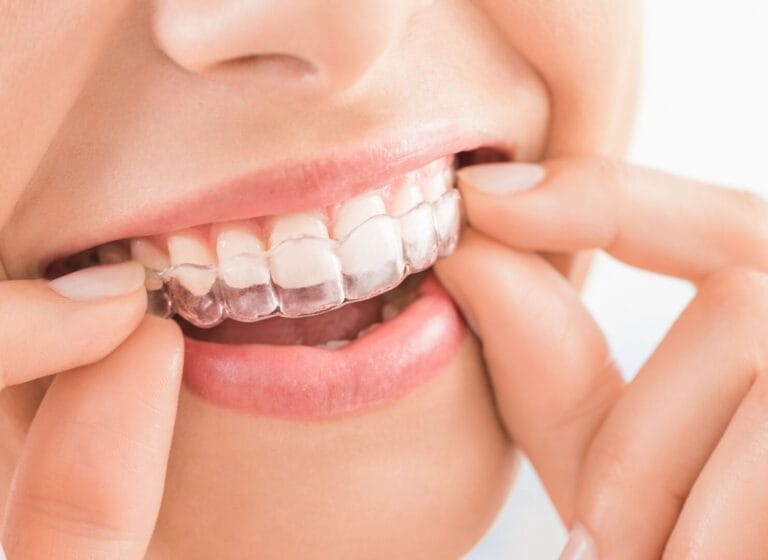
Clear aligners are designed to be discreet. They are made from transparent material and fit closely over the teeth, which means they are usually less noticeable than traditional braces. Many patients choose them because they want an orthodontic treatment that does not strongly change the appearance of their smile during work, social events or daily conversations.
However, clear aligners are not completely unnoticeable. Depending on lighting, saliva, tooth colour and how closely someone looks, the aligners may be seen. Some patients also need small tooth-coloured attachments placed on certain teeth. These attachments help the aligners grip and move the teeth more effectively, but they can make the treatment slightly more visible.
When discussing the differences between clear aligners and lingual braces, this is an important point: clear aligners are discreet from the front, but they sit over the visible surface of the teeth. Lingual braces are placed behind the teeth, so they may be less visible from the outside. At the same time, aligners can be removed briefly for specific situations, while lingual braces remain fixed.
Clear aligners can also stay more discreet when they are kept clean. If the patient drinks coloured beverages while wearing them or does not clean them properly, they may become less transparent. Good hygiene and correct use are therefore essential for both aesthetics and oral health.
At My Dental Clinic, patients receive clear instructions on how to wear, remove and clean their aligners safely, so the treatment remains as comfortable and discreet as possible.
How do lingual braces look during treatment?
Lingual braces are placed on the inner surface of the teeth, facing the tongue. This means they are generally hidden when the patient smiles, speaks or takes photographs from the front. For patients who are concerned about the appearance of orthodontic appliances, this can be a strong aesthetic advantage.
Unlike clear aligners, lingual braces do not cover the front surface of the teeth. The visible part of the smile remains free from trays or front brackets. For this reason, some patients feel that lingual braces are the most discreet option in everyday appearance. However, they are still a fixed appliance and may sometimes be visible from certain angles, especially when the mouth is open wide.
The aesthetic differences between clear aligners and lingual braces should be considered together with practical differences. Lingual braces cannot be removed for meals or special occasions. This means the patient does not need to remember to wear them, but it also means cleaning must be more detailed. Food and plaque can collect around brackets and wires behind the teeth, where visibility is more limited.
Lingual braces may also affect the tongue during the first period of adaptation. Some patients notice changes in speech or tongue comfort at the beginning, because the appliance occupies space on the inner side of the teeth. These sensations often improve with time, but they should be discussed before starting treatment.
At My Dental Clinic, the patient’s expectations are carefully considered. The dentist explains not only how lingual braces look, but also how they feel and how they should be maintained.
Can clear aligners and lingual braces treat the same cases?
Clear aligners and lingual braces can both correct many orthodontic concerns, but they are not always used for the same cases. Suitability depends on the type of tooth movement required, the complexity of the bite, the patient’s oral health and how much cooperation is needed.
Clear aligners can be effective for many alignment concerns, including mild to moderate crowding, spacing, rotations and certain bite corrections. They work very well when the planned tooth movements are suitable for removable trays and when the patient wears them as instructed. If aligners are not worn consistently, the teeth may not move as planned and treatment can slow down.
Lingual braces are fixed, so they work continuously. This can be helpful for patients who prefer not to manage removable appliances or who may struggle to wear aligners for the required number of hours every day. Lingual braces may also be considered in more complex cases, depending on the diagnosis and treatment plan.
The differences between clear aligners and lingual braces are therefore not only aesthetic. One treatment may look appealing, but the dentist must confirm whether it can achieve the required movement safely. Orthodontics is not just about straight front teeth; it also involves the bite, jaw relationship, gum health and long-term stability.
At My Dental Clinic, every orthodontic plan begins with a full assessment. The team explains what each option can realistically achieve, what limitations may exist and which approach is safer for the patient’s individual smile.
Why does comfort differ between clear aligners and lingual braces?
Comfort is one of the most personal differences between clear aligners and lingual braces. Clear aligners are smooth trays that cover the teeth. Many patients adapt to them quickly, although they may feel pressure when starting a new aligner. This pressure is usually a sign that the aligner is active and guiding the teeth according to the plan.
Because aligners are removable, patients can eat without them and clean their teeth more easily. This can make daily life feel simpler for some people. However, aligners must be worn consistently. Removing them too often may make treatment less predictable.
Lingual braces are fixed to the inner surface of the teeth. Since they sit close to the tongue, they can feel unusual at first. Some patients may experience tongue irritation, speech changes or difficulty cleaning in the first days or weeks. These effects often improve as the mouth adapts, but the adjustment period can be more noticeable than with aligners.
Both treatments can cause mild soreness during tooth movement. This is normal in orthodontics, but pain should not be intense or persistent. If a wire irritates the tongue or an aligner does not fit correctly, the dental team should be contacted.
At My Dental Clinic, comfort is part of treatment planning. The team takes time to explain what sensations are normal, how to manage the adaptation period and when to ask for support. A comfortable patient is more likely to follow instructions and complete treatment successfully.

How do clear aligners and lingual braces affect speech?
Speech can be affected by both clear aligners and lingual braces, especially at the beginning of treatment. Clear aligners cover the teeth, and this can slightly change how the tongue touches certain sounds. Some patients notice a mild lisp during the first days, but this often improves as they continue wearing the aligners and speaking normally.
Lingual braces may have a more noticeable effect on speech at first because they are placed behind the teeth, where the tongue naturally moves during pronunciation. Sounds that require the tongue to touch the inner surfaces of the teeth may feel different. The patient may need a period of adaptation while the tongue learns to move around the appliance.
When considering the differences between clear aligners and lingual braces, patients who speak frequently for work may want to discuss this carefully with the dentist. Both options can be compatible with professional and social life, but the adaptation period may differ.
It is important not to remove aligners too often because of speech concerns. The more consistently they are worn, the faster the mouth usually adapts. With lingual braces, practice and patience are important during the first phase. Reading aloud at home can sometimes help the tongue adjust.
At My Dental Clinic, the orthodontic team explains what to expect before treatment begins, so patients are not surprised by temporary speech changes. The goal is to make the process clear, manageable and realistic.
What are the hygiene differences between clear aligners and lingual braces?
Hygiene is a major part of orthodontic success. Clear aligners and lingual braces require different cleaning routines, and this can influence which option is more suitable for a patient.
Clear aligners are removed before eating, which means food does not get trapped inside brackets or wires. After meals, however, the patient should brush and clean between the teeth before putting the aligners back in. If food particles or sugary residues are trapped under the aligners, the risk of cavities, gum irritation and bad breath can increase. The aligners themselves must also be cleaned carefully, without harsh or abrasive products.
Lingual braces stay fixed behind the teeth. This means the patient can eat without removing an appliance, but plaque and food can collect around brackets and wires. Cleaning behind the teeth can be more challenging because visibility is limited. The patient may need specific brushes, interdental tools or other hygiene aids recommended by the dental team.
The differences between clear aligners and lingual braces are therefore very practical. Aligners require discipline with wear time and cleaning before reinsertion. Lingual braces require detailed cleaning around fixed appliances every day.
At My Dental Clinic, professional hygiene support is an important part of orthodontic care. The hygienist can show the patient how to clean effectively during treatment and help monitor gum health. This prevents the aesthetic goal of straighter teeth from being compromised by plaque, stains or inflammation.
Can clear aligners or lingual braces stain the teeth?
Clear aligners and lingual braces do not directly stain teeth in the same way that food or plaque can, but poor hygiene during treatment can lead to visible changes. With clear aligners, staining may appear if the trays are worn while drinking coloured beverages or if they are not cleaned properly. The aligners can become less clear, and the teeth may be exposed to trapped pigments or plaque.
With lingual braces, the front surfaces of the teeth remain uncovered, but plaque can accumulate around the hidden brackets behind the teeth. If cleaning is not thorough, gum inflammation, tartar and enamel changes may develop in harder-to-reach areas. Even though these areas are less visible, they still matter for oral health.
When reviewing the differences between clear aligners and lingual braces, patients should remember that the final aesthetic result depends not only on tooth movement but also on how well the teeth and gums are maintained throughout treatment. Straight teeth with inflamed gums or enamel marks are not the goal.
DIY whitening during orthodontic treatment should be avoided unless the dentist recommends it. Whitening while teeth are moving or while appliances are present can lead to uneven results and sensitivity. It is better to complete the orthodontic plan safely and then discuss any whitening or aesthetic finishing with the dentist.
At My Dental Clinic, patients receive guidance on what to eat, drink and avoid during treatment. The aim is to protect both the appearance and health of the smile from the first aligner or bracket to the final result.
Why should orthodontic treatment never be chosen only for aesthetics?
Aesthetics are important, but orthodontic treatment should never be chosen only because an appliance looks discreet. The safest option is the one that can move the teeth correctly, protect the gums, respect the bite and support long-term stability. A treatment that looks convenient at the beginning may not be suitable if it cannot manage the patient’s clinical needs.
The bite is especially important. Teeth must come together comfortably when chewing, speaking and resting. If only the visible front teeth are considered, hidden problems may remain or even worsen. Orthodontic planning must evaluate the full mouth, not just the smile in photographs.
This is why understanding the differences between clear aligners and lingual braces requires a professional diagnosis. Clear aligners may be ideal for one patient, while lingual braces may be more appropriate for another. In some cases, a different orthodontic solution may be recommended. The right decision depends on tooth position, root position, gum health, bone support, age, habits and expectations.
Patients should also avoid online orthodontic shortcuts or unsupervised systems. Teeth are connected to living tissues, and moving them without clinical monitoring can cause gum recession, root stress, bite problems or unstable results.
At My Dental Clinic, orthodontic treatment is planned by considering both beauty and function. The team’s approach is simple and empathetic: patients are listened to, their goals are respected, and the treatment plan is explained clearly before starting.
How do lifestyle and daily habits influence the choice?
Lifestyle plays an important role when comparing clear aligners and lingual braces. Since clear aligners are removable, they suit patients who are willing to follow instructions carefully. The patient must wear them for the recommended time, remove them before eating, clean the teeth before reinserting them and keep them safely in their case when not in use.
For organised patients, this flexibility can be a major advantage. Aligners can fit well into social, professional and family life. However, patients who often forget appliances, snack frequently or do not want to manage removal and reinsertion may find fixed treatment easier.
Lingual braces do not depend on the patient remembering to wear them, because they are fixed to the teeth. This can be useful for patients who want a discreet option but prefer not to manage removable trays. At the same time, lingual braces require careful cleaning and may involve more food restrictions because hard or sticky foods can damage brackets or wires.
The differences between clear aligners and lingual braces therefore include responsibility. Clear aligners require excellent compliance. Lingual braces require careful hygiene and adaptation to a fixed appliance. Neither option is completely effortless, but both can work well when matched to the right patient.
At My Dental Clinic, the discussion includes daily routine, work life, eating habits, travel, dental anxiety and oral hygiene ability. This helps the dentist recommend an option that is not only clinically appropriate but realistic for the patient’s life.
When are clear aligners more suitable than lingual braces?
Clear aligners may be more suitable for patients who want a discreet, removable orthodontic option and are able to wear the trays consistently. They can be a good choice for many cases involving mild to moderate crowding, spacing or alignment concerns, provided the diagnosis confirms that aligners can achieve the desired movements safely.
They may also be preferred by patients who value easier cleaning. Because aligners are removed for brushing and interdental cleaning, maintaining oral hygiene can be more straightforward than cleaning around fixed brackets. This can be especially helpful for patients who are already highly motivated to care for their teeth.
Clear aligners can also suit patients who play certain musical instruments, have specific work needs or prefer not to have fixed appliances. However, they are only effective when worn as instructed. A patient who frequently removes them or forgets them may experience delays or poor tracking.
The differences between clear aligners and lingual braces become clear here: aligners offer flexibility, but they also require discipline. Lingual braces offer fixed continuous action, but they may involve more adaptation for the tongue and cleaning.
At My Dental Clinic, the dentist will explain whether clear aligners are suitable after assessing the patient’s teeth, bite and treatment goals. If aligners are recommended, the patient receives detailed instructions to help make treatment predictable and safe.
When are lingual braces more suitable than clear aligners?
Lingual braces may be more suitable for patients who want a discreet treatment but prefer a fixed appliance, or for cases where fixed mechanics may provide better control. Because lingual braces are attached to the teeth, they work continuously and do not depend on the patient remembering to wear them.
They may be considered for patients who want the front of the smile to remain free from visible aligner trays or front brackets. This can be appealing for people who speak in public, attend many social events or simply feel more comfortable knowing the appliance is hidden behind the teeth.
However, lingual braces require a good level of hygiene commitment. Cleaning behind the teeth can be more demanding, and the tongue may need time to adapt. Patients must also follow food guidance to reduce the risk of damaging brackets or wires.
The differences between clear aligners and lingual braces should be evaluated carefully in more complex cases. Lingual braces can be effective, but they must be planned precisely and monitored regularly. Not every patient is suitable, and not every orthodontic concern requires this type of appliance.
At My Dental Clinic, treatment is never chosen based only on preference. The dentist considers the patient’s clinical needs, comfort, speech concerns, hygiene ability and aesthetic expectations. When lingual braces are appropriate, the patient receives clear explanations about the adaptation period and maintenance routine.
Conclusion on the differences between clear aligners and lingual braces
The differences between clear aligners and lingual braces are both aesthetic and practical. Clear aligners are transparent removable trays that cover the teeth and can be very discreet when kept clean and worn correctly. Lingual braces are fixed behind the teeth, making them hidden from the front in most daily situations.
Clear aligners may offer more flexibility, easier cleaning and a smoother feel, but they require strong patient cooperation. Lingual braces work continuously because they are fixed, but they may require more adaptation for speech, tongue comfort and daily hygiene. Both options can be effective when selected for the right case and guided by professional supervision.
Patients should avoid choosing orthodontic treatment based only on online images, quick promises or DIY solutions. Teeth must move through living bone and gum tissues, so treatment should always begin with a proper diagnosis. The safest plan is one that considers the smile, bite, oral health and long-term stability together.
At My Dental Clinic in Dubai, orthodontic care is planned with a simple, empathetic and personalised approach. The team takes time to understand the patient’s goals, explain the available options and recommend the treatment that best supports both aesthetics and oral health.
If you are considering discreet orthodontic treatment and want to understand which option may suit your smile, contact the clinic to book an appointment and receive personalised guidance.
Visit My Dental Clinic at Al Thanya Street 61, Umm Suqeim 2, Dubai