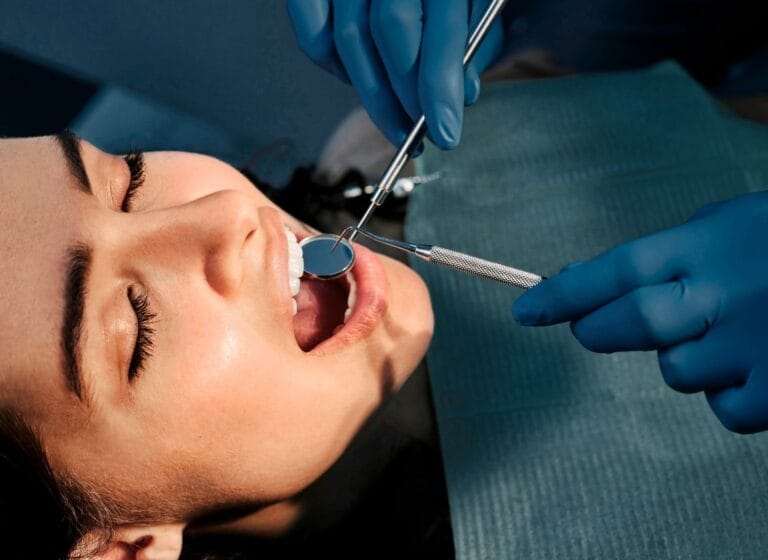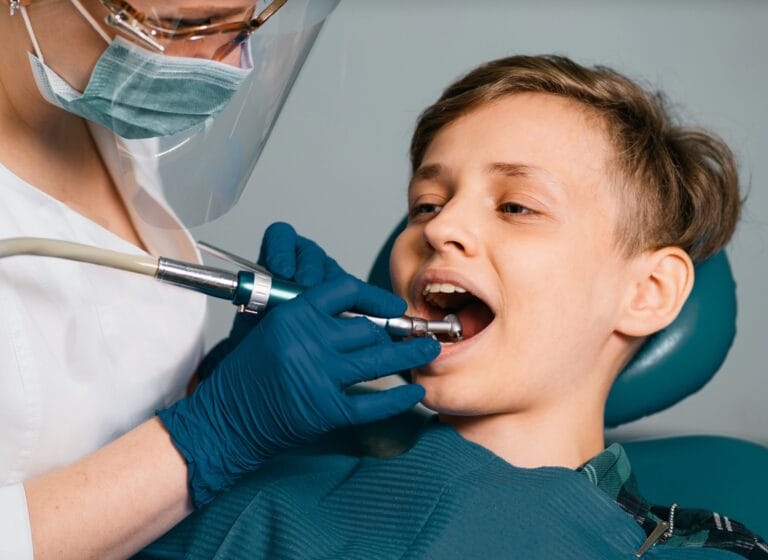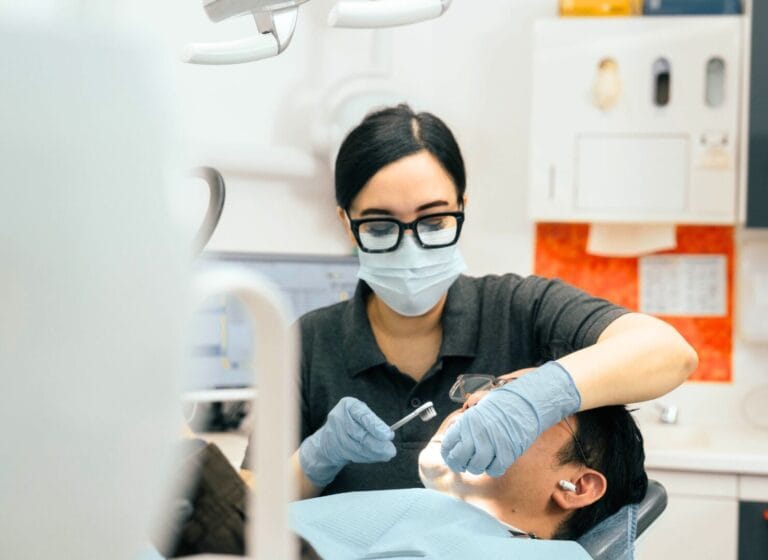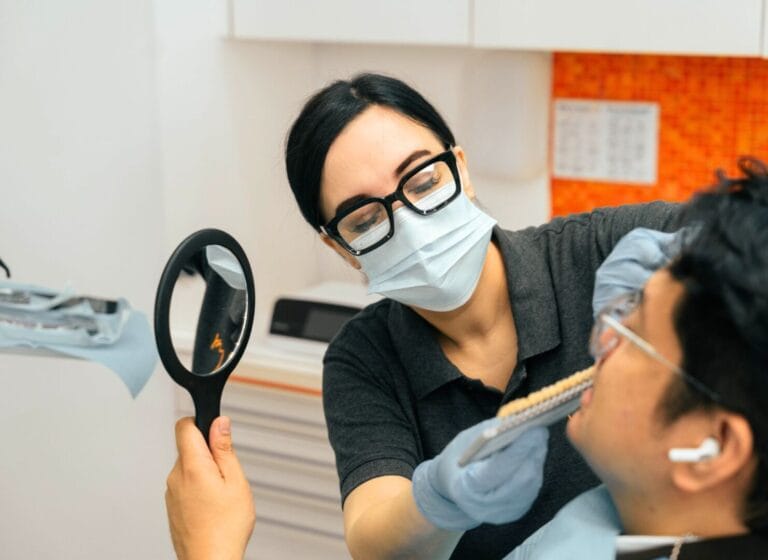
How long does a professional teeth cleaning take?
A professional teeth cleaning is one of the most important appointments for maintaining a healthy smile. Many patients book a hygiene visit because they want their teeth to feel cleaner, brighter and smoother, but they often have a practical question before coming in: how long does a professional teeth cleaning take?
The answer depends on several factors. A routine hygiene appointment may be quite straightforward, while a patient with more plaque, tartar, staining, gum inflammation or periodontal concerns may need more time and a more detailed approach. The duration can also depend on whether it is the patient’s first visit, how long it has been since the last cleaning and whether diagnostic checks are needed.
At My Dental Clinic in Dubai, oral hygiene is treated as a key part of prevention, not just a quick polish. Our dental hygienists take time to assess the gums, remove deposits carefully, explain home care and help patients understand how to protect their oral health between visits. The experience is designed to be simple, comfortable and reassuring, in line with the clinic’s warm, family-oriented approach.
In this article, we will explain what happens during a professional teeth cleaning, how long the appointment may take, why timing varies, what can make the visit more detailed, how often patients should attend hygiene appointments, why DIY cleaning methods should be avoided and how a professional hygiene routine can support long-term oral health.
What is a professional teeth cleaning?
A professional teeth cleaning is a dental hygiene appointment carried out to remove plaque, tartar and surface stains that cannot always be managed with home brushing alone. Even patients who brush carefully every day can develop deposits in areas that are difficult to reach, such as between the teeth, behind the lower front teeth or along the gum line.
Plaque is a soft bacterial film that forms on the teeth every day. If it is not removed properly, it can harden into tartar. Once tartar has formed, it cannot be removed safely with a toothbrush or home tools. It needs to be removed by a trained dental professional using appropriate instruments and techniques.
During a professional teeth cleaning, the hygienist also evaluates the condition of the gums. This is important because bleeding, swelling, sensitivity or pocketing around the teeth may be signs of gum inflammation or periodontal problems. Cleaning is therefore not only about making the teeth feel smooth; it is also about identifying risks early and helping prevent future complications.
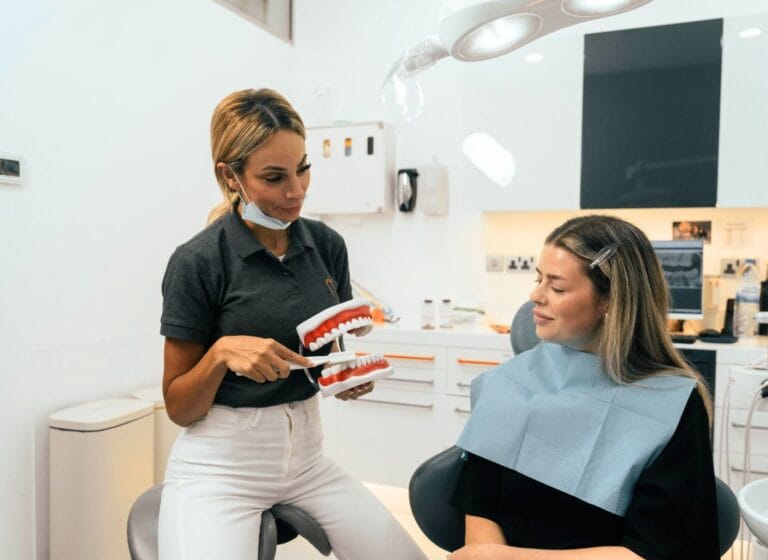
At My Dental Clinic, the hygiene team includes experienced dental hygienists such as Natalie Elyas, Sarah-Jayne Hynds and Felicia Bjurfjäll. Their role is not only to clean the teeth, but also to educate patients in a clear and practical way. This may include advice on brushing technique, interdental cleaning, sensitivity, diet habits and maintenance routines.
A professional teeth cleaning can be part of a routine check-up, a preventive plan, orthodontic care, veneer maintenance, implant maintenance or periodontal support. The exact approach is always adapted to the patient’s needs.
How long does a professional teeth cleaning usually take?
The length of a professional teeth cleaning can vary from patient to patient. In many routine cases, the appointment may take around one visit of moderate duration, but it can be shorter or longer depending on the amount of plaque, tartar and staining present, as well as the condition of the gums.
A patient who attends regular hygiene visits and has good home care may need less time than someone who has not had a cleaning for a long period. If tartar has built up under the gum line, if the gums bleed easily or if there are signs of periodontal disease, the hygienist may need to work more carefully and in greater detail.
The first hygiene visit at a practice may also take longer than a maintenance appointment. This is because the dental team needs to understand the patient’s oral health history, current habits, previous treatments and any concerns such as sensitivity, bleeding gums, bad breath or dental anxiety. At My Dental Clinic, time is dedicated to listening to the patient, not only performing the treatment.
When patients ask how long a professional teeth cleaning takes, the most honest answer is that the appointment should take the time needed to clean safely and properly. A rushed cleaning may not allow enough time to assess the gums, remove deposits thoroughly or explain how to improve home care.
The aim is not simply to finish quickly, but to provide a comfortable, complete and useful appointment. Professional hygiene is most effective when the patient leaves with cleaner teeth, healthier gums and a better understanding of how to maintain their smile every day.
What happens during a professional teeth cleaning appointment?
A professional teeth cleaning appointment usually begins with a conversation. The hygienist may ask about the patient’s oral care routine, any areas that bleed, sensitivity, medical conditions, medications, recent dental treatments and personal concerns. This helps create a safer and more personalised appointment.
The hygienist then examines the teeth and gums. In some cases, gum measurements may be taken to check whether there are deeper pockets around the teeth. These measurements help identify whether the patient needs routine preventive care or more focused periodontal support. The hygienist may also check areas where plaque tends to accumulate, such as behind the front teeth or around crowded areas.
The cleaning itself involves removing plaque and tartar from the teeth. This may be done with professional instruments and, where appropriate, gentle technology using air, water and fine powders to help remove surface stains and biofilm. The method chosen depends on the patient’s needs, comfort and oral condition.
After deposits are removed, the teeth may be polished to leave the surface smoother. A smooth surface can make it more difficult for plaque to accumulate quickly again, although daily home care remains essential. The hygienist may then provide tailored advice on brushing, flossing, interdental brushes or other cleaning aids.
At My Dental Clinic, the appointment is also educational. Patients are encouraged to ask questions and understand what is happening in their mouth. A professional teeth cleaning should not feel like a mechanical procedure; it should feel like a guided step towards healthier teeth and gums.
Why can professional teeth cleaning take longer for some patients?
A professional teeth cleaning can take longer when there is more to assess, remove or explain. One of the main reasons is tartar buildup. Tartar can form above and below the gum line, and the more extensive it is, the more carefully it must be removed. This is especially true if the gums are inflamed or sensitive.
Staining can also affect timing. Patients who drink coffee, tea or highly pigmented drinks, or who have certain lifestyle habits, may develop more external stains. These stains are often harmless from a structural point of view, but they may require more attention during polishing or stain removal.
Gum health is another major factor. If the gums bleed easily, appear swollen or show signs of periodontal disease, the appointment may need to include deeper assessment and a more delicate approach. In some cases, the patient may require more than one visit or a specific periodontal hygiene plan rather than a single routine cleaning.
Other factors that can make the appointment more detailed include dental implants, fixed retainers, bridges, crowns, veneers, orthodontic appliances or crowded teeth. These areas require careful cleaning because plaque can accumulate around margins, under connectors or in difficult-to-reach spaces.
Dental anxiety can also influence timing. A patient who feels nervous may need more pauses, explanations and reassurance. At My Dental Clinic, this is respected. The clinic’s empathetic approach means the dental team takes time to make patients feel comfortable, especially those who have avoided hygiene visits because of fear or previous negative experiences.
A professional teeth cleaning should always be adapted to the individual, not rushed into a standard format.
Can professional teeth cleaning hurt?
A professional teeth cleaning should generally be comfortable, but the experience can vary depending on the condition of the teeth and gums. Patients with healthy gums and limited tartar usually feel pressure, vibration or water spray, but not significant pain. However, if the gums are inflamed, sensitive or affected by periodontal problems, some areas may feel tender during cleaning.
Sensitivity can also occur when there is gum recession, exposed root surfaces, enamel wear or recent irritation. In these cases, the hygienist can adapt the technique, work more gently, take breaks and offer advice to reduce discomfort. The patient should always communicate if something feels uncomfortable, because the appointment can often be adjusted.
Fear of pain is one of the reasons some patients postpone hygiene appointments. Unfortunately, delaying cleaning can allow plaque and tartar to build up further, which may make the gums more inflamed and future appointments more sensitive. Regular professional teeth cleaning is usually easier and more comfortable than waiting until symptoms appear.
At My Dental Clinic, patient comfort is an important part of care. The team explains each step in simple language and avoids making patients feel judged about their oral hygiene. The goal is to support, guide and help the patient improve gradually.
Patients should never attempt to remove tartar at home with sharp tools to avoid a hygiene appointment. This can injure the gums, scratch enamel and damage dental work. Professional cleaning is safer because it is performed with appropriate instruments, correct visibility and knowledge of tooth and gum anatomy.
A comfortable hygiene experience begins with trust and communication.
How often should you have a professional teeth cleaning?
The ideal frequency of professional teeth cleaning depends on the patient’s oral health. Some patients may need routine maintenance at longer intervals, while others benefit from more frequent hygiene visits because they are more prone to tartar, gum inflammation, staining or periodontal concerns.
Patients with excellent home care and healthy gums may need a different schedule from patients with bleeding gums, previous periodontal disease, dental implants, orthodontic treatment or a history of frequent plaque buildup. This is why the hygienist or dentist should recommend the timing after examining the mouth.
Regular hygiene visits are important because they help prevent small problems from becoming more complex. Gum inflammation can begin quietly, sometimes with only slight bleeding during brushing. If it is ignored, it can progress and affect the supporting tissues around the teeth. Professional cleaning helps remove the deposits that contribute to inflammation and gives the dental team an opportunity to monitor changes.
At My Dental Clinic, hygiene appointments are part of a preventive philosophy. The aim is not only to treat problems when they appear, but to help patients maintain oral health over time. This is especially important for patients with veneers, implants, orthodontic appliances or previous dental restorations, because these treatments require careful maintenance.
A professional teeth cleaning is also a chance to refresh home care habits. Many patients brush every day but miss certain areas. A hygienist can show exactly where plaque is building up and recommend simple improvements that make daily cleaning more effective.
The right frequency is personal, and it should be based on professional advice rather than guesswork.
Why is professional teeth cleaning important for gum health?
Professional teeth cleaning plays a central role in protecting gum health. The gums are the foundation of the smile, and when they become inflamed, the effects can go beyond bleeding during brushing. Gum problems can lead to discomfort, bad breath, recession, tooth mobility and, in more advanced cases, loss of support around the teeth.
Plaque bacteria irritate the gums. When plaque hardens into tartar, it creates a rough surface where more bacteria can accumulate. Since tartar cannot be removed with normal brushing, the gums may remain inflamed even if the patient improves home care. Professional cleaning removes these deposits and allows the gums to recover more effectively.
Healthy gums should not bleed regularly. Many patients think bleeding is normal, especially when brushing or flossing, but it is usually a sign that the gums need attention. A professional teeth cleaning can help identify the cause and guide the patient towards better control.
Gum health is also important for aesthetic treatments. Veneers, whitening, orthodontic treatment and implants all depend on a healthy oral environment. If gums are inflamed, results may be less stable or less harmonious. This is why hygiene appointments often support other treatments at My Dental Clinic.
The hygienist may also discuss risk factors such as smoking, mouth breathing, medical conditions, stress, diet or brushing technique. Small daily changes can make a significant difference when they are based on personalised advice.
Professional teeth cleaning is therefore not only about removing stains or making teeth feel fresh. It is a preventive treatment that helps protect the tissues that keep teeth stable and healthy.
Can professional teeth cleaning make teeth whiter?
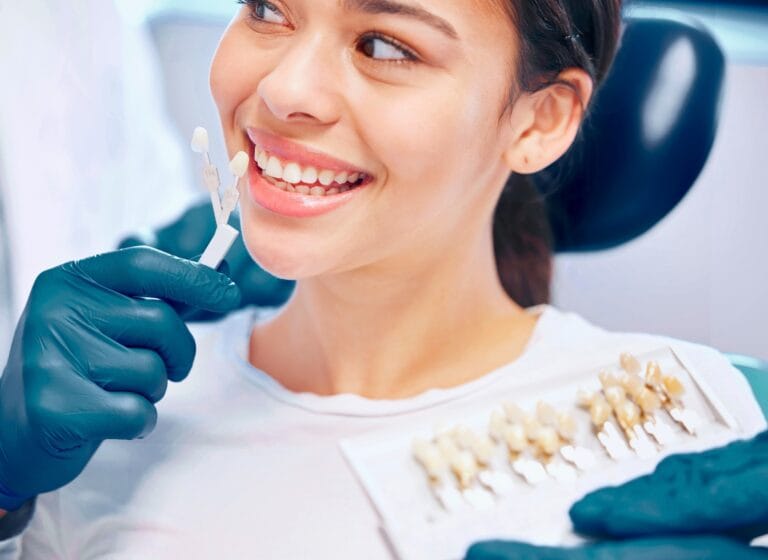
A professional teeth cleaning can make teeth look cleaner, brighter and fresher, especially when surface stains are removed. However, it is important to understand the difference between cleaning and whitening. Cleaning removes plaque, tartar and external stains from the tooth surface. Whitening changes the shade of the natural tooth structure through a dentist-guided treatment.
Patients often notice that their smile looks brighter after a hygiene appointment because stains from food, drinks or daily habits have been reduced. The teeth may also feel smoother, which can improve the overall sensation of cleanliness. However, if the natural tooth colour is darker, professional cleaning alone will not change it in the same way as a whitening treatment.
This distinction matters because some patients try DIY whitening methods after seeing stains or colour changes. Acidic mixtures, abrasive powders, charcoal products and unverified online techniques can damage enamel, irritate gums and increase sensitivity. They may also create uneven results, especially if the patient has fillings, crowns or veneers.
At My Dental Clinic, the dental team can explain whether a patient needs professional teeth cleaning, whitening, or both. Often, cleaning is recommended before whitening because it removes deposits and allows the dentist to assess the teeth and gums first. Whitening should only be carried out when the mouth is healthy enough for the treatment.
A brighter smile should never come at the expense of oral health. Professional guidance helps patients choose safe options and avoid methods that can cause damage or discomfort.
What should you do after a professional teeth cleaning?
After a professional teeth cleaning, patients should continue with good daily habits to maintain the result. The teeth may feel smooth and fresh immediately after the appointment, but plaque begins to form again naturally. This means home care remains essential from the same day onward.
The hygienist may recommend specific brushing techniques, interdental brushes, floss or other aids depending on the patient’s mouth. It is important to follow this personalised advice because not every patient needs the same routine. For example, a patient with tight spaces may need a different approach from someone with implants, fixed retainers or gum recession.
Some patients may experience mild sensitivity after cleaning, especially if there was tartar around sensitive areas or if the gums were inflamed. This usually improves, but the patient should contact the practice if discomfort persists or feels unusual. The dental team can check whether further support is needed.
Patients should avoid returning to harmful habits that contribute to staining or plaque accumulation. They should also avoid aggressive brushing. Brushing harder does not mean brushing better; it can irritate gums and wear the tooth surface. A gentle but thorough technique is more effective.
After professional teeth cleaning, it is useful to treat the appointment as a new starting point. The hygienist has removed what the patient could not remove at home, and the patient can now maintain the mouth more easily with correct daily care.
At My Dental Clinic, hygiene advice is given in a simple and practical way, so patients leave knowing exactly how to care for their smile between visits.
Why should you avoid DIY teeth cleaning methods?
DIY teeth cleaning methods can be harmful, especially when they involve sharp tools, abrasive powders, acidic substances or aggressive scraping. Many online videos suggest ways to remove tartar at home, but tartar removal should not be attempted without professional training. The teeth and gums are delicate, and incorrect pressure can cause injury.
Using sharp instruments at home can cut the gums, scratch enamel or damage dental restorations such as veneers, crowns, bridges or implants. Even if a patient manages to remove a visible piece of tartar, deposits may remain under the gum line, where they continue to irritate the tissues. Without proper visibility and technique, it is easy to miss important areas or cause trauma.
Abrasive products are another concern. Some methods may make teeth feel temporarily smoother, but they can wear enamel or irritate soft tissues. Acidic ingredients can also weaken the tooth surface and increase sensitivity. These risks are not always visible immediately, but they can create problems over time.
Professional teeth cleaning is safe because it is based on diagnosis, appropriate instruments and knowledge of oral anatomy. The hygienist knows how to remove deposits while protecting the teeth, gums and existing dental work. The appointment also includes assessment, which DIY methods cannot provide.
At My Dental Clinic, patients are encouraged to ask questions if they feel unsure about home care. The dental team can recommend safe tools and techniques that genuinely support oral health without risking damage.
The safest approach is simple: clean daily at home, but leave tartar removal and deeper hygiene care to dental professionals.
Conclusion on professional teeth cleaning
A professional teeth cleaning can vary in duration depending on the patient’s oral health, the amount of plaque and tartar, gum condition, staining, existing dental work and whether it is a routine or more detailed hygiene visit. The appointment should take the time needed to clean thoroughly, assess the gums and give personalised advice.
Professional hygiene is much more than a cosmetic treatment. It helps prevent gum inflammation, supports fresh breath, protects dental restorations and allows the dental team to identify early signs of oral health problems. It can also make the teeth feel smoother and look brighter by removing surface deposits and external stains.
Patients should avoid DIY cleaning methods, especially scraping tartar at home or using abrasive online remedies. These approaches can damage teeth and gums, while professional care is designed to be safe, precise and adapted to each person.
At My Dental Clinic in Dubai, professional teeth cleaning is provided with a gentle, empathetic and preventive approach. Our hygienists take time to understand each patient, explain what they find and guide them towards better daily care.
If you want to know which hygiene routine is most suitable for your smile, contact the clinic to book an appointment and receive personalised guidance.
Visit My Dental Clinic at Al Thanya Street 61, Umm Suqeim 2, Dubai