Many patients considering clear aligner therapy search online for one very specific question: “how painful is Invisalign?”. Fear of pain is one of the most common concerns among adults and young adults who want to improve their smile without going through an overly invasive or uncomfortable orthodontic experience.
At My Dental Clinic in Dubai, many patients choose clear aligners because of their discretion and the high level of comfort generally experienced during daily life. However, it is important to understand that every orthodontic treatment involves progressive tooth movement, which means some temporary sensations can be completely normal.
Understanding how Invisalign truly works often helps patients approach the journey with more realistic expectations, reducing anxiety and concerns related to the treatment.
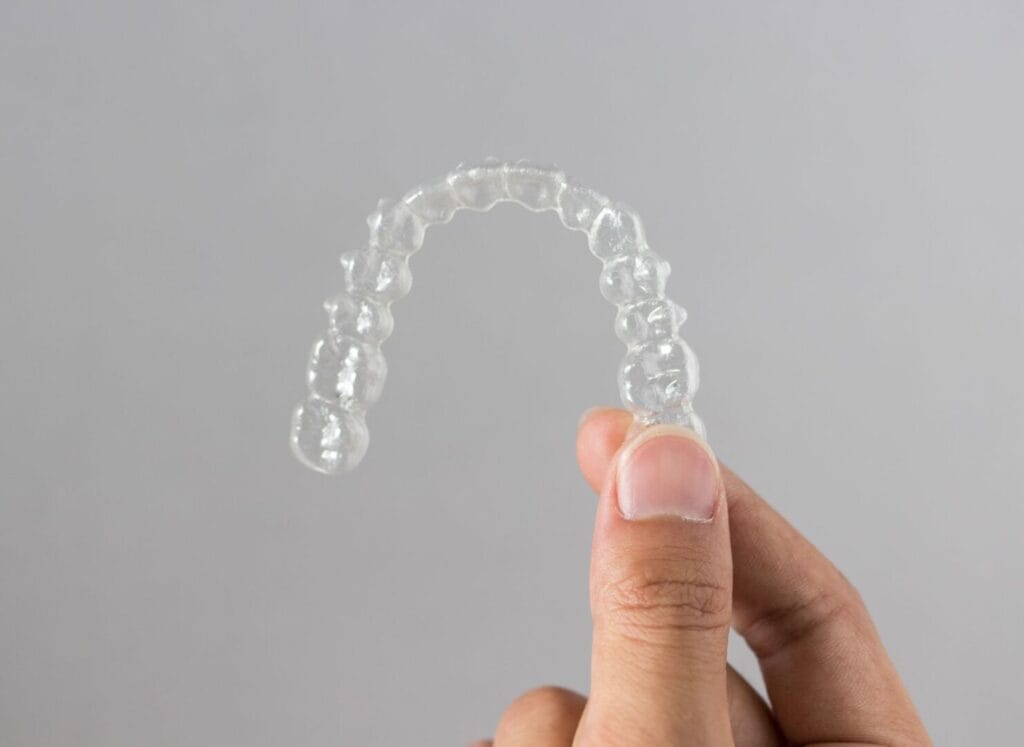
Does Invisalign actually hurt?
This is without question one of the most common questions among patients approaching clear aligner therapy for the first time. In most situations, Invisalign is not described as truly painful, but rather as a sensation of pressure or tightness affecting the teeth.
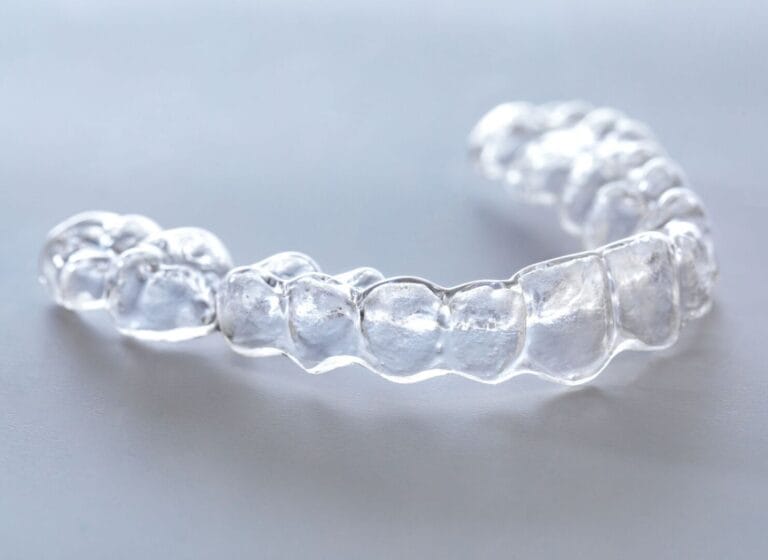
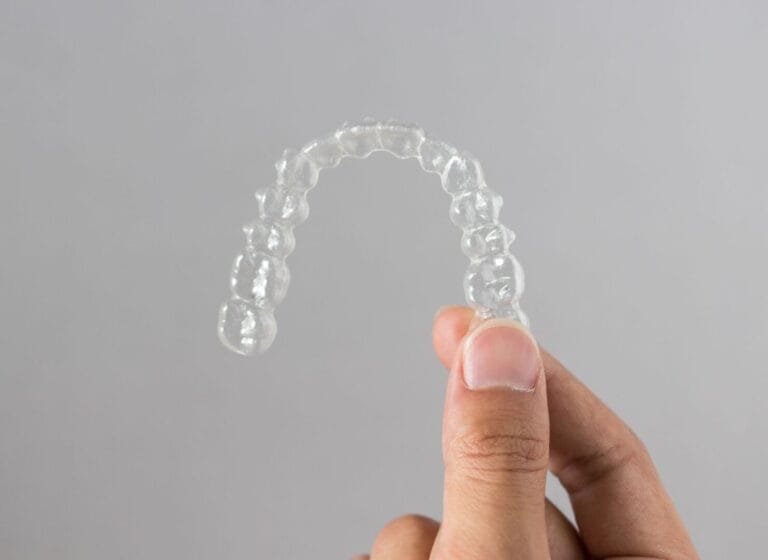
Clear aligners work by applying gentle and controlled forces that gradually guide the teeth into a new position. This pressure is actually a sign that the treatment is functioning correctly.
Many patients notice increased sensitivity:
- during the first few days;
- when switching aligners;
- in areas undergoing tooth movement.
The experience nevertheless varies from person to person. Some individuals report only very mild discomfort, while others may experience greater sensitivity during the early phases of treatment.
Compared to certain traditional braces, many adults especially appreciate the absence of metal wires and rigid components that may irritate the lips and inner cheeks more significantly.
At My Dental Clinic in Dubai, every orthodontic treatment is planned with careful attention dedicated to personalization and patient comfort throughout every stage of the journey.
Why Invisalign may create pressure on the teeth
Many patients become worried when they feel tension or pressure after inserting a new aligner. In reality, this sensation is generally connected to the programmed orthodontic movement.
Each aligner is digitally designed to progressively guide the smile toward a more balanced position. In order to achieve these movements, the aligners must apply controlled forces to the teeth.
For this reason, it is normal to experience:
- temporary pressure;
- sensitivity while chewing;
- mild initial discomfort;
- increased awareness of tooth movement.
Many people describe this sensation as very different from “real pain.” In most situations, it feels more like awareness of orthodontic pressure rather than intense suffering.
The duration of sensitivity also tends to decrease over time. Many patients gradually become accustomed to the aligners as treatment progresses.
Understanding this aspect often helps patients experience the orthodontic journey with less stress and greater confidence.
When discomfort is more common during treatment
Not every phase of treatment feels the same. Certain moments may be slightly more sensitive compared to others.
Many patients notice greater pressure:
- when changing aligners;
- during the first 24 to 48 hours;
- after inconsistent aligner use;
- during phases involving more significant movements.
Consistency in wearing the aligners also strongly affects overall comfort. Wearing them regularly helps the teeth gradually adapt to the planned orthodontic changes.
On the contrary, removing the aligners too frequently or not following professional instructions may increase pressure sensations when reinserting them.
Anxiety also plays an important role in discomfort perception. Patients who are particularly tense often focus more intensely on oral sensations and therefore perceive them more strongly.
For this reason, communication during orthodontic treatment remains extremely important in helping patients experience the process in a calmer and more relaxed way.
Can Invisalign irritate the gums or inner cheeks?
Besides tooth pressure, many patients wonder whether aligners can create irritation inside the mouth.
In general, Invisalign is often perceived as gentler compared to certain traditional braces because it does not involve visible wires or highly protruding brackets.
However, during the initial stages of treatment, some people may experience:
- mild irritation;
- gum sensitivity;
- temporary tongue discomfort;
- initial soft tissue adaptation.
In most situations, these sensations tend to decrease quickly as the mouth adapts to the aligners.
Proper oral hygiene also helps significantly improve comfort during treatment. Healthy gums and a clean mouthgenerally tolerate aligners much better throughout the orthodontic journey.
At My Dental Clinic, orthodontic monitoring is personalized according to each patient’s needs, with attention dedicated not only to functionality but also to everyday comfort and oral wellbeing.
How to reduce discomfort during Invisalign treatment
Many patients look for practical advice to make treatment feel easier and more comfortable. In reality, small daily habits can make a significant difference, especially during the first stages.
Among the most important aspects are:
- consistent aligner wear;
- proper oral hygiene;
- following professional recommendations;
- careful aligner changes.
Many patients find it useful to switch to new aligners in the evening so the mouth can begin adapting during sleep.
Maintaining proper hydration may also contribute to improving overall oral comfort during treatment.
It is important, however, to avoid DIY modifications or attempting to alter aligners independently without professional supervision, as this may compromise the precision and stability of orthodontic movements.
How painful is Invisalign and what should patients realistically expect before starting?
Understanding how painful is Invisalign means recognizing that clear aligner therapy generally involves temporary sensations of pressure and adaptation rather than intense or severe pain. Every patient experiences treatment differently, but in most situations the level of comfort remains compatible with normal daily life.
Modern clear aligner orthodontics focuses not only on smile aesthetics, but also on creating a more discreet, gradual and personalized experience throughout the orthodontic journey.
At My Dental Clinic, every orthodontic treatment is designed with attention to oral health, smile naturalness and patient comfort through a personalized approach focused on long-term functional and aesthetic balance.
📞 +971 43388939
💬 +971 559104977
✉️ reception@mydentalclinic.ae
📍 Al Thanya Street 61, Umm Suqeim 2, Dubai, UAE