How quickly does the clear aligner work?
Clear aligners are a popular orthodontic solution for patients who want to improve the position of their teeth with a discreet, removable and comfortable treatment. One of the first questions many patients ask is: How quickly does the clear aligner work?
The answer depends on the starting position of the teeth, the complexity of the movement needed, the patient’s age, the health of the gums and bone, and, above all, how consistently the aligners are worn. Some patients begin to notice small changes within the first few weeks, while more complete results require a carefully planned series of aligners and regular professional monitoring.
At My Dental Clinic in Dubai, clear aligner treatment is planned with a personalised approach. The aim is not only to move teeth, but to do so safely, gradually and in harmony with the bite, gums and facial balance. A faster treatment is not always a better treatment: teeth need controlled forces and time to move in a healthy way.
In this article, we will explain how clear aligners work, when patients usually start seeing changes, what can make treatment faster or slower, why wearing aligners correctly is essential, what risks are linked to DIY orthodontic options and why a dentist-led plan is the safest choice.
What is a clear aligner and how does it move teeth?
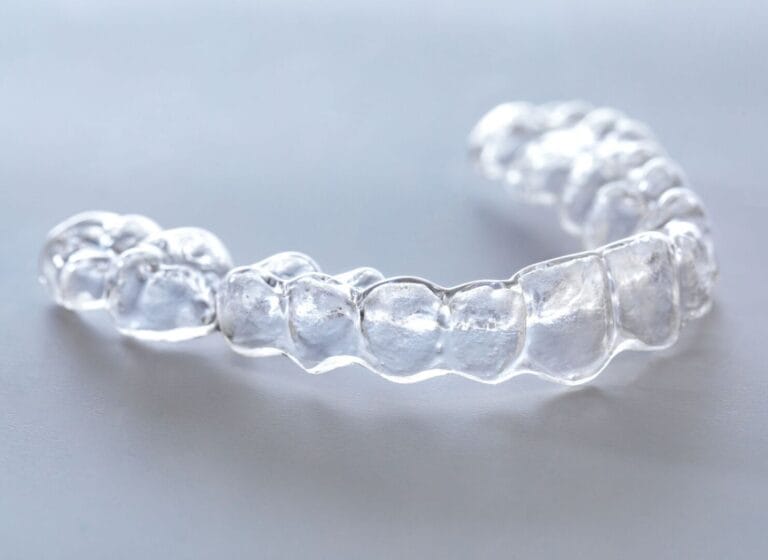
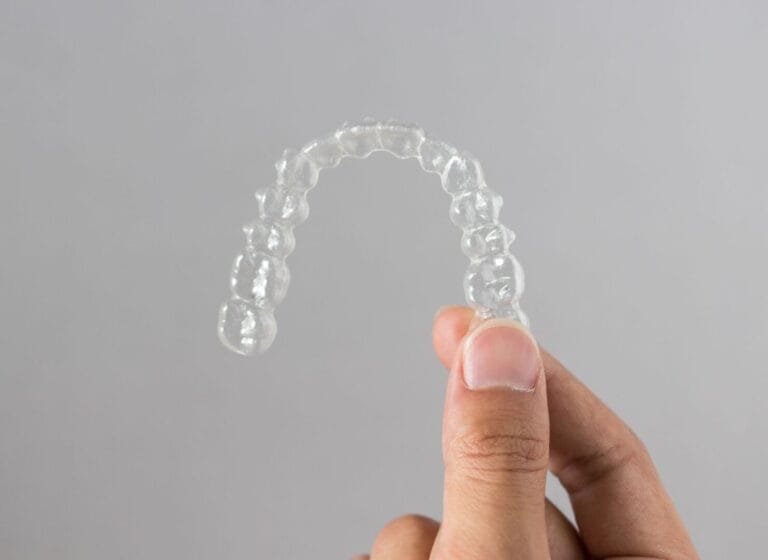
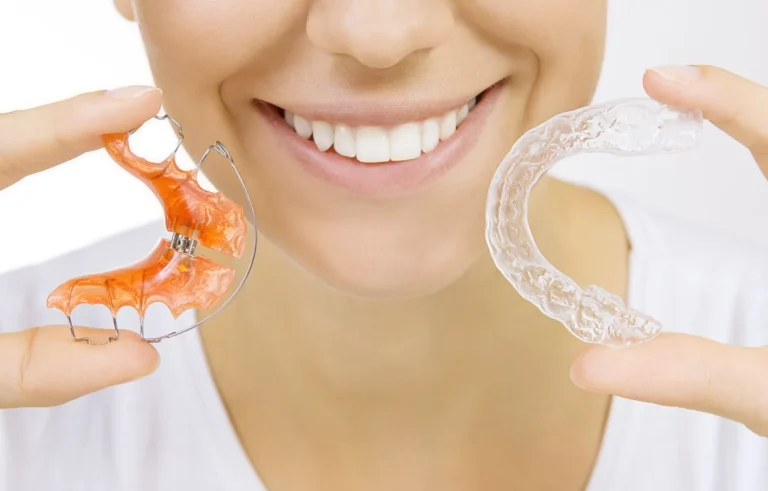
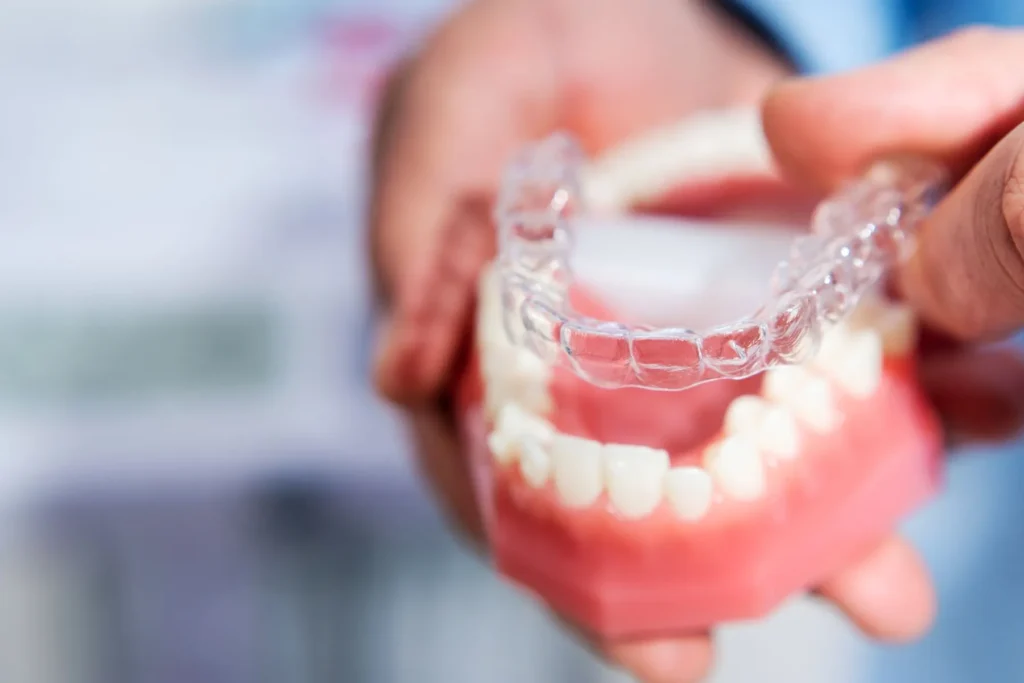
A clear aligner is a removable orthodontic appliance made to fit closely over the teeth. It applies gentle, controlled pressure to guide the teeth step by step towards a planned position. Instead of using fixed brackets and wires, the treatment usually involves a sequence of aligners, each one designed to create a small movement.
When patients ask How quickly does the clear aligner work, it is important to first understand that aligners do not move teeth all at once. Each aligner is part of a progressive plan. The dentist studies the starting position of the teeth, the bite, the smile line and the final objective, then designs a treatment path that respects the biology of the mouth.
Tooth movement happens because the bone around the tooth gradually adapts to gentle pressure. This is a natural process, but it cannot be rushed too aggressively. If too much force is applied, the result can be discomfort, gum problems, root stress or unstable movement. This is why professional planning is so important.
Clear aligners can help correct different orthodontic concerns, such as mild crowding, small gaps, rotated teeth or certain bite imbalances. However, not every case is suitable for aligners, and not every aligner treatment has the same duration. A simple alignment case may progress faster than a more complex case involving bite correction or significant tooth rotation.
At My Dental Clinic, the orthodontic evaluation may include digital scans, photographs, X-rays when necessary and a careful discussion of the patient’s goals. This helps create a realistic plan, with clear expectations about timing and results.
How quickly does the clear aligner work in the first weeks?
Many patients hope to see visible changes very quickly, and in some cases this can happen. During the first few weeks, the aligners begin applying pressure to the teeth and the patient may feel tightness when a new aligner is inserted. This sensation usually means that the aligner is active and the planned movement has started.
However, visible changes are not always immediate. Sometimes the first movements are small or happen in areas that are not easy for the patient to notice in the mirror. For example, the treatment may begin by creating space, rotating a back tooth or improving the way the arches fit together. These changes are important, even if they are not instantly visible in the front teeth.
So, How quickly does the clear aligner work from a patient’s point of view? Some people notice slight improvements after a few aligners, while others need more time before the smile looks visibly different. This does not mean the treatment is not working. It simply means that orthodontic movement follows a sequence.
The first weeks are also a period of adaptation. The patient learns how to insert and remove the aligners, how to speak with them, how to clean them and how to include them in daily life. Mild pressure or tenderness may occur, especially after changing to a new aligner, but this should not feel like sharp or intense pain. If discomfort is strong or persistent, the dentist should be contacted.
Consistency is essential from the beginning. Wearing aligners for fewer hours than recommended can slow down movement and make the next aligner feel too tight. A good start helps the entire treatment stay on track.
What affects the speed of clear aligner treatment?
The speed of clear aligner treatment depends on several personal and clinical factors. No two mouths are exactly the same, which is why treatment time should never be guessed without a professional evaluation.
One of the most important factors is the complexity of the case. Slight crowding or small spaces between teeth may require less time than more complex bite problems, severe rotations or teeth that need to move over a greater distance. The more controlled movement is needed, the more aligners may be required.
The condition of the gums and bone also matters. Teeth move through the bone, so periodontal health must be evaluated before treatment begins. If gum inflammation, bone loss or untreated dental problems are present, these issues need attention first. Moving teeth in an unhealthy mouth can increase risks and compromise the result.
Patient cooperation is another major factor. Clear aligners are removable, which is convenient, but it also means the patient has responsibility. Aligners must be worn for the recommended number of hours each day, usually most of the day and night, except when eating, drinking anything other than water and cleaning the teeth.
Other factors that may influence speed include:
- how well each aligner fits;
- whether attachments are needed;
- how regularly check-ups are attended;
- whether the patient grinds or clenches;
- how the teeth respond biologically to movement.
When asking How quickly does the clear aligner work, the best answer comes from a personalised diagnosis. At My Dental Clinic, patients receive clear explanations about what may make their case shorter, longer or more detailed, so they can begin treatment with realistic expectations.

Can clear aligners work faster if you wear them more?
Wearing aligners correctly is essential, but wearing them more than recommended does not mean the teeth will move faster in a healthy way. Teeth need continuous and controlled pressure, but they also need biological time to adapt. Orthodontic movement is not only about pushing teeth; it is about allowing the supporting tissues to remodel safely.
Patients sometimes think that if they wear the aligners constantly or change them earlier than advised, the treatment will finish sooner. This can be risky. Moving to the next aligner before the teeth are ready may cause poor fit, unwanted pressure, discomfort or inaccurate movement. If this continues, the treatment may actually become longer because corrections may be needed.
The correct approach is to follow the dentist’s instructions precisely. If the dentist says to wear each aligner for a specific period, that timing is based on the planned movement and the patient’s clinical situation. Some patients may progress at a different pace, but changes should only be made after professional assessment.
Clear aligners work best when they fit completely. If there are gaps between the aligner and the teeth, or if the aligner does not seat properly, the movement may not be tracking correctly. The patient should not ignore this. Small problems can become bigger if the next aligners are used without checking the fit.
So, How quickly does the clear aligner work with good compliance? Usually, treatment progresses more predictably when aligners are worn as instructed every day. Good cooperation does not force the treatment to be unsafe; it helps the plan work as designed.
At My Dental Clinic, patients are guided on correct wear, cleaning, storage and what to do if an aligner feels different. This support helps make treatment safer and more predictable.
Why should clear aligner treatment never be rushed?
Clear aligner treatment should never be rushed because teeth are connected to living tissues. The gums, bone, ligaments and roots all need to respond gradually to orthodontic forces. A movement that looks simple on a digital plan still happens inside the mouth through a biological process that takes time.
If teeth are moved too quickly or without proper control, several problems may occur. The aligners may stop fitting correctly, the bite may become uncomfortable, or certain teeth may receive too much pressure. In more delicate cases, rushing can increase the risk of gum recession, root shortening or instability after treatment.
This is why professional supervision matters. A dentist does not only check whether the teeth look straighter. The dentist also checks gum health, bite contacts, tooth vitality, aligner fit and whether the treatment is progressing safely. These details are difficult for a patient to assess alone.
Some patients are attracted by fast solutions because they want visible results before an event or because they feel impatient. This is understandable, but orthodontics must respect health first. A smile that is rushed may not be stable or comfortable in the long term.
When patients ask How quickly does the clear aligner work, the safest answer is: as quickly as your teeth can move correctly and safely. This timing is different for each person.
At My Dental Clinic, the goal is to create a smile that looks balanced and feels comfortable, not just a quick cosmetic change. A careful plan can help avoid unnecessary complications and support long-term stability after treatment is complete.
What happens during the clear aligner treatment journey?
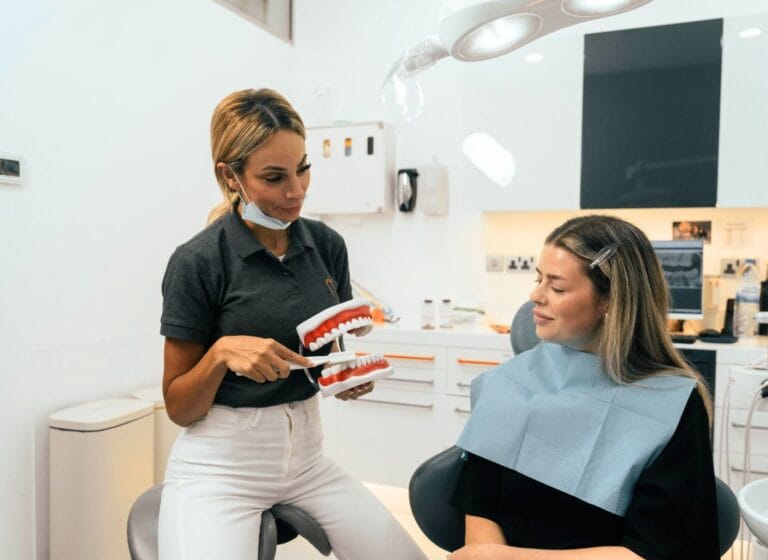
The clear aligner journey begins with a consultation and a detailed assessment. The dentist evaluates the teeth, gums, bite and smile, and listens to the patient’s expectations. This first step is important because the treatment must be suitable for the patient’s oral health and aesthetic goals.
Digital scans are often used to create an accurate model of the teeth. This allows the dentist to study the starting point and plan how the teeth should move. In some cases, X-rays or photographs may also be needed to evaluate the roots, bone and facial proportions. The patient can then receive an explanation of the treatment plan, including what type of movements are expected and how long the process may take.
Once the aligners are made, the patient receives instructions on how to wear them, remove them and clean them. Small tooth-coloured attachments may sometimes be placed on specific teeth to help the aligners grip and guide movement more effectively. These attachments are part of the mechanics of treatment and can make certain movements more predictable.
During treatment, check-ups allow the dentist to confirm that the teeth are tracking correctly. If a tooth is not moving as expected, adjustments may be made. At the end of active treatment, retainers are usually needed to maintain the new position of the teeth.
So, How quickly does the clear aligner work through this journey? The visible speed depends on the case, but the process is always structured. Each stage has a purpose, from diagnosis to planning, aligner wear, monitoring and retention.
Can DIY aligners or online orthodontics give faster results?
DIY aligners or unsupervised online orthodontic systems may seem convenient, but they can carry important risks. Teeth are not isolated objects that can simply be moved according to a photo or an impression. They are part of a complex system that includes bone, gums, roots, nerves, muscles and the bite.
Without a proper clinical examination, important problems can be missed. Cavities, gum disease, bone loss, root position, impacted teeth or bite issues may not be visible to the patient. Moving teeth without diagnosing these conditions can lead to pain, gum recession, unstable results or damage that may require more complex treatment later.
The promise of speed can also be misleading. A treatment that appears faster may not be safer or more complete. Moving only the visible front teeth without considering the bite can create discomfort when chewing or cause uneven pressure on certain teeth. A straight-looking smile is not always a healthy orthodontic result.
Patients should also avoid trying to modify aligners at home, filing edges aggressively, skipping aligners, changing them early or using non-dental products to force them to fit. These choices can interfere with the planned movement and create avoidable complications.
When asking How quickly does the clear aligner work, it is essential to remember that speed should never replace diagnosis and supervision. At My Dental Clinic, clear aligner treatment is guided by dental professionals who evaluate the whole mouth, not only the appearance of the front teeth.
A safe orthodontic plan protects both aesthetics and function. This is why dentist-led treatment is always the responsible choice.
What can patients do to help clear aligners work well?
Patients play a major role in the success of clear aligner treatment. Because aligners are removable, daily habits can either support the treatment or slow it down. The dentist creates the plan, but the patient helps the plan become reality.
The most important rule is to wear the aligners as instructed. Removing them too often, forgetting to put them back after meals or leaving them out for several hours can delay tooth movement. If this happens repeatedly, the next aligner may not fit correctly and the treatment may require correction.
Oral hygiene is also essential. Teeth should be brushed and cleaned between meals before the aligners are placed back in the mouth. If food and plaque are trapped under aligners, the risk of cavities, gum irritation and bad breath can increase. Aligners should also be cleaned as instructed, without using harsh or abrasive products.
Patients should store aligners in their case when they are not wearing them. Wrapping them in tissue or leaving them on a table makes them easy to lose or damage. Heat should also be avoided, because it can distort the aligner shape.
Useful daily habits include:
- wearing aligners consistently;
- cleaning teeth before reinserting them;
- keeping aligners away from heat;
- attending scheduled check-ups;
- informing the dentist if an aligner feels loose, painful or does not fit.
So, How quickly does the clear aligner work when the patient is careful? Treatment is usually more predictable when the patient follows instructions closely. Good cooperation helps the teeth move according to the plan and reduces delays.
How do you know if clear aligner treatment is working correctly?
Clear aligner treatment is usually working correctly when each aligner fits well, the teeth gradually follow the planned movements and the patient’s bite remains comfortable. However, patients should not rely only on what they see in the mirror. Some important aspects of progress can only be checked by a dentist.
A good-fitting aligner should sit fully on the teeth, without visible spaces between the aligner and the biting edges. Mild pressure after changing aligners is common, but strong pain, persistent soreness or an aligner that does not seat properly should be discussed with the dental team.
Patients may notice that certain teeth move earlier than others. This is normal because aligner treatment follows a sequence. Sometimes the front teeth change quickly, while in other cases the back teeth must move first to create space. The dentist can explain which changes should happen at each stage.
Regular check-ups are important because they allow the dentist to identify tracking problems early. If a tooth is not moving as expected, the solution may be simple when detected soon. If ignored, it may affect later aligners and extend treatment.
When asking How quickly does the clear aligner work, patients should also ask whether the treatment is progressing correctly. Speed alone is not the only measure of success. Comfort, fit, bite balance, gum health and stability are equally important.
At My Dental Clinic, patients are supported throughout the aligner journey with clear explanations and careful monitoring. This helps them understand what is normal, what needs attention and how to keep their treatment moving safely.
Conclusion: How quickly does the clear aligner work and what should patients expect?
How quickly does the clear aligner work depends on the patient’s starting point, the type of tooth movement required, oral health, treatment planning and daily cooperation. Some patients may notice small changes within the first weeks, while full results require a complete sequence of aligners and professional monitoring.
Clear aligners can be an effective and comfortable way to improve the smile, but they must be used correctly. Wearing them as instructed, maintaining excellent oral hygiene, attending check-ups and avoiding DIY changes are all essential for predictable results. Trying to rush the process can create problems, because teeth need time to move safely through the bone.
The most important message is that clear aligner treatment should be personalised. A treatment that is fast for one patient may not be suitable for another. The safest plan is always based on diagnosis, digital planning, clinical experience and regular follow-up.
At My Dental Clinic in Dubai, clear aligner treatment is guided by an empathetic and patient-centred approach. The team takes time to explain each step, answer questions and help patients understand what to expect from their orthodontic journey.
If you are considering clear aligners and want to know whether they are suitable for your smile, contact the clinic to book an appointment and receive personalised guidance.
Visit My Dental Clinic at Al Thanya Street 61, Umm Suqeim 2, Dubai