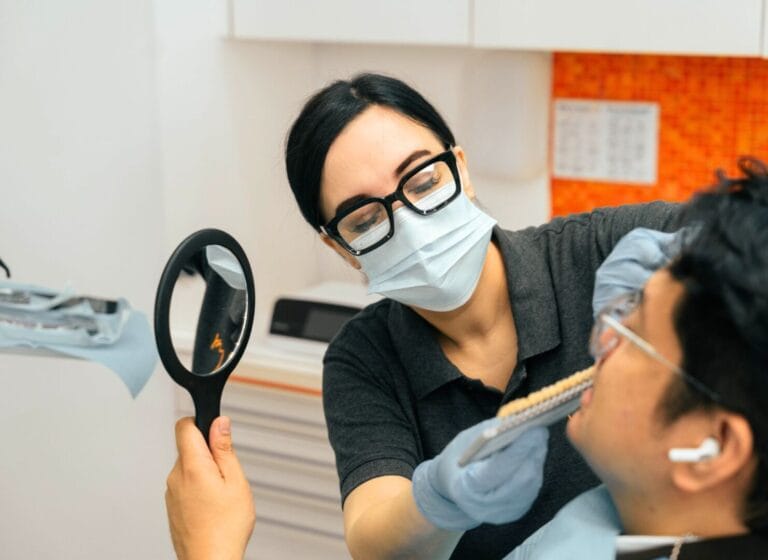
One of the most common questions among patients interested in smile aesthetics is precisely “are veneers bad for your teeth?”. Dental veneers are becoming increasingly popular among people who want to improve the color, shape and harmony of their smile, yet there is still a great deal of conflicting information surrounding this treatment.
At My Dental Clinic in Dubai, patients often ask whether veneers can damage natural teeth, cause sensitivity or create long-term problems. In reality, the answer depends on several factors, including treatment planning, initial oral health, quality of prevention and proper long-term maintenance.
Modern cosmetic dentistry is increasingly focused on conservative and personalized approaches. Today, the goal is not simply to create whiter teeth, but to improve the smile while respecting functionality, natural aesthetics and the patient’s overall oral health.
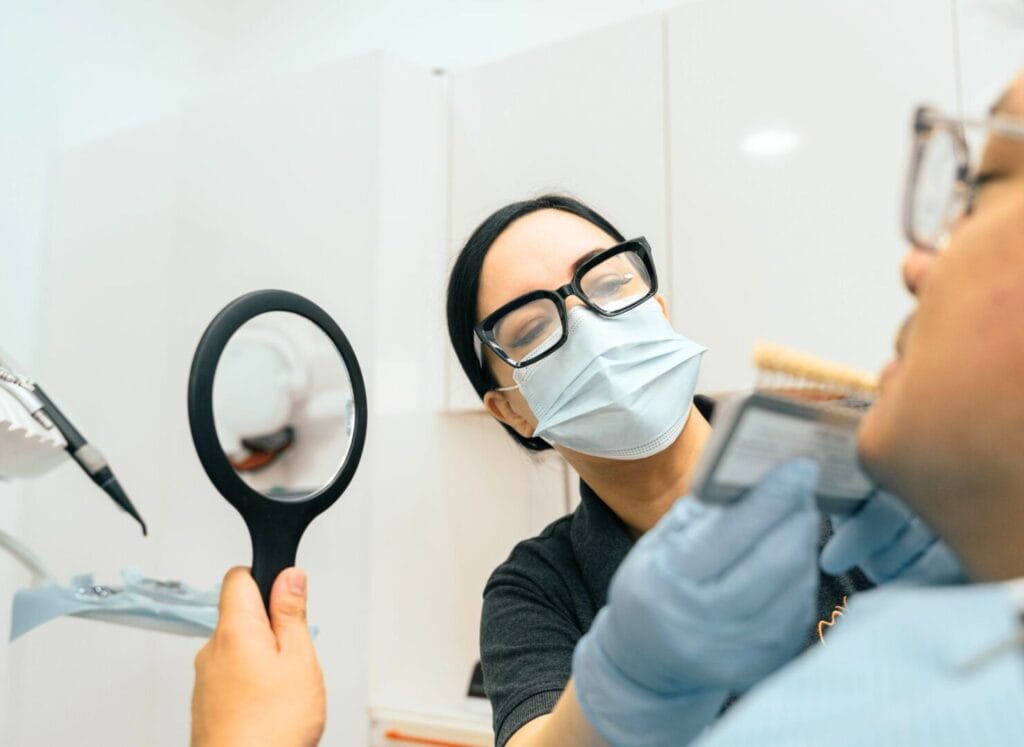
Do dental veneers really damage natural teeth?
Many patients imagine that veneers automatically involve major damage to natural teeth. This belief often comes from extreme images seen online or sensational content shared on social media.
In reality, when properly planned, veneers can represent a highly conservative cosmetic solution. Modern techniques now make it possible to preserve most of the natural tooth structure while minimizing tooth preparation in many cases.
The most important aspect is the initial evaluation of the smile. Before recommending veneers, the professional carefully analyzes:
- gum health;
- enamel quality;
- tooth position;
- bite alignment;
- patient aesthetic expectations.
Problems are more likely to occur when treatment is performed without accurate planning or when unrealistic cosmetic goals are pursued.
Many patients believe that teeth must always be heavily shaved down before veneers are applied. In reality, modern cosmetic dentistry offers far more conservative approaches than in the past, especially in properly selected cases.
At My Dental Clinic in Dubai, digital planning and attention to natural aesthetics help create cosmetic treatments that are more balanced and less invasive.
How dental veneers work and why planning is so important
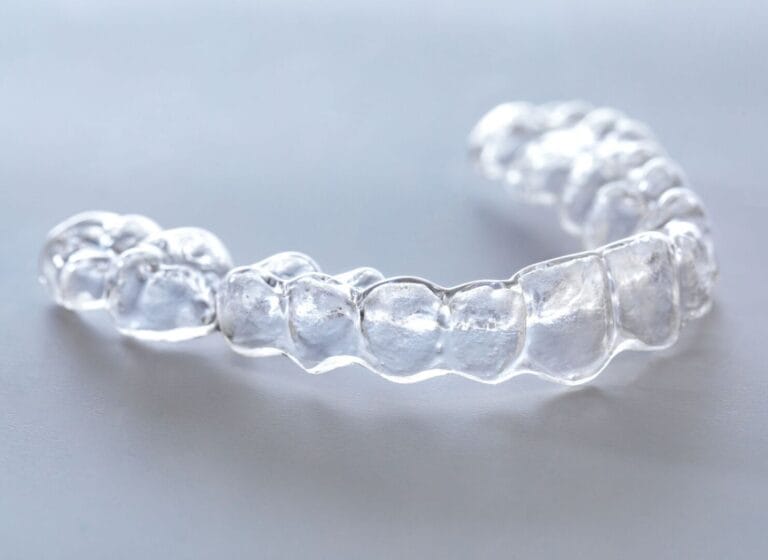
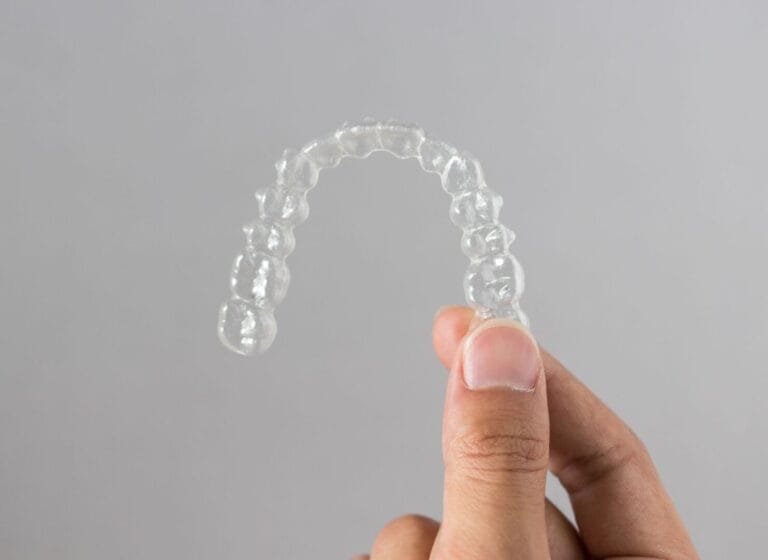
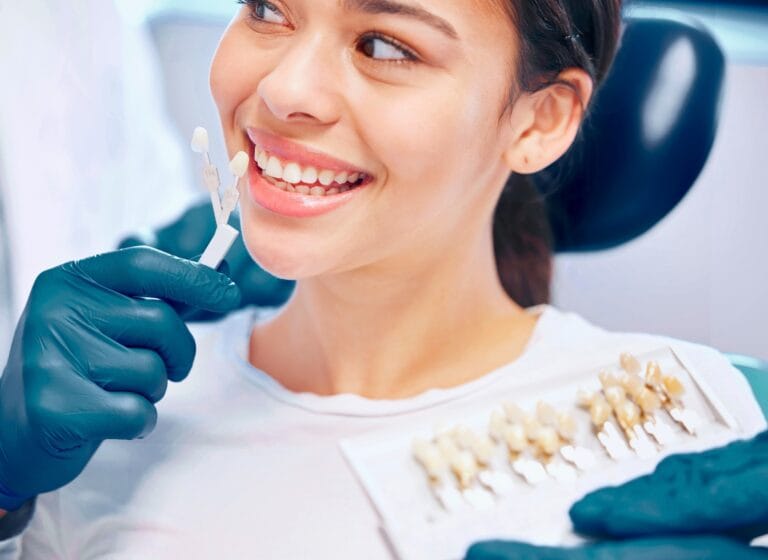
Dental veneers are thin aesthetic shells bonded to the front surface of the teeth to improve shape, color or proportions. Their purpose is not only cosmetic, but also to create better smile harmony.
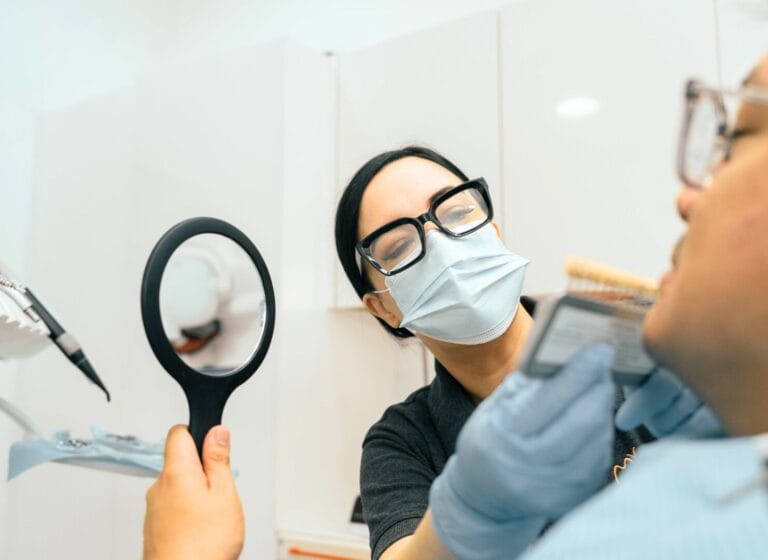
Many patients think veneers are all the same, but in reality every treatment should be fully customized. Shape, color, dimensions and proportions are carefully designed according to the patient’s facial features and smile characteristics.
The process generally begins with:
- a comprehensive consultation;
- photographs and digital scans;
- bite analysis;
- smile evaluation;
- final treatment planning.
One of the most important stages involves smile design itself. Modern digital technologies now allow professionals to simulate the potential final result even before treatment begins.
This approach helps patients better understand:
- realistic treatment goals;
- possible treatment limitations;
- smile proportions;
- overall facial harmony.
Many aesthetic problems actually arise from standardized treatments that fail to respect the patient’s natural features. Modern cosmetic dentistry instead focuses on creating elegant and believable smiles, avoiding artificial or excessively “perfect” results.
Do veneers cause sensitivity or pain?
One of the most common concerns involves the possibility of pain or sensitivity after veneer placement. Many patients still associate veneers with highly invasive or uncomfortable procedures.
In most cases, however, treatment is performed using modern techniques designed for comfort and precision. Some patients may experience mild temporary sensitivity after tooth preparation or during the first days following placement, but this usually decreases progressively.
Sensitivity may depend on:
- the initial condition of the teeth;
- the amount of enamel involved;
- gum recession;
- clenching habits;
- individual sensitivity.
Many people ask whether veneers can cause chronic pain. In reality, when treatment is properly planned and the patient maintains good oral health, significant long-term issues are generally less common.
Bite alignment also plays a crucial role. If the occlusion is not carefully evaluated, tension or overload may develop over time, potentially affecting comfort and smile stability.
For this reason, it is important to avoid rushed treatments or fast cosmetic solutions found online.
Can veneers cause bad breath or gum problems?
Many patients wonder whether veneers can contribute to bad breath, bacterial buildup or gum inflammation. In reality, these issues are usually not caused by the veneers themselves, but rather by oral hygiene quality and long-term maintenance.
When the smile is not cleaned properly, plaque and bacteria may accumulate near the gums and between the teeth. This can contribute to:
- gum irritation;
- bleeding;
- unpleasant odor;
- tartar buildup;
- chronic inflammation.
The veneer margins themselves must also be carefully designed in order to integrate correctly with the natural tooth and gum tissue.
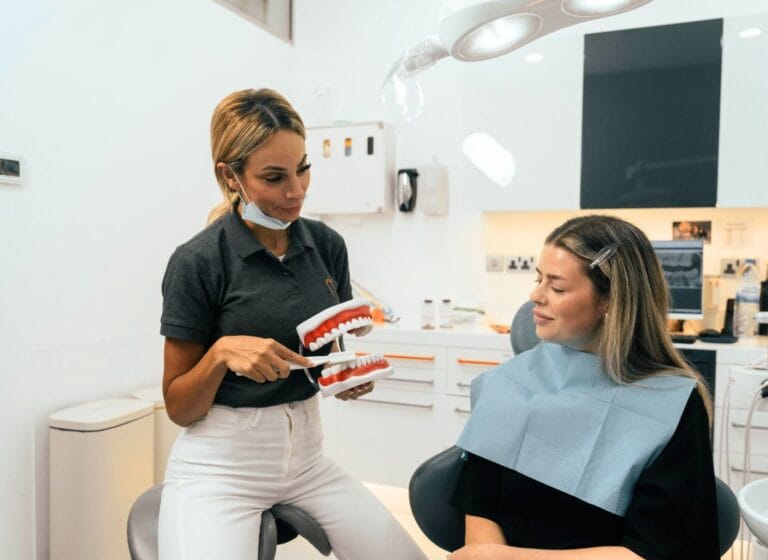
Many patients believe that once veneers are placed, the smile no longer requires maintenance. In reality, daily prevention remains essential to preserve the aesthetic result over time.
Daily oral care should include:
- a soft toothbrush;
- flossing;
- regular check-ups;
- professional hygiene sessions.
At My Dental Clinic in Dubai, smile maintenance is considered an integral part of every cosmetic journey in order to preserve both gum health and aesthetic balance over time.
Can veneers stain or look artificial over time?
Another very common concern involves the long-term appearance of veneers. Many patients fear that veneers may lose brightness, become stained or start looking artificial after several years.
Modern aesthetic veneers are designed to maintain color and stability over time, but several factors may still influence the appearance of the smile.
Some of the most important elements include:
- smoking;
- frequent coffee or tea consumption;
- poor oral hygiene;
- abrasion;
- unhealthy habits.
The material used also influences stain resistance and overall aesthetic naturalness.
Today, the concept of the “Hollywood smile” is changing significantly. More and more patients are looking for smiles that are bright yet realistic, with shapes and shades that naturally integrate with the face.
Excessively white or overly uniform veneers may eventually appear unnatural and less harmonious.
Modern cosmetic dentistry instead focuses on creating:
- natural translucency;
- realistic texture;
- balanced proportions;
- integration with facial features.
How long do dental veneers last and what affects their stability?
One of the most searched online questions concerns the longevity of dental veneers. Many patients want to understand whether veneers represent a stable long-term solution.
Durability depends on several factors:
- treatment quality;
- material selection;
- oral hygiene;
- regular check-ups;
- daily habits.
Clenching and bruxism may also affect smile stability over time. For this reason, some patients may require nighttime protective appliances.
Veneers are not considered “permanent forever,” but when properly maintained they can preserve both aesthetics and functionality for many years.
Prevention nevertheless remains fundamental. Regular follow-up visits help monitor:
- gum health;
- veneer adaptation;
- possible signs of wear;
- bite stability.
Many people focus only on the immediate cosmetic result, forgetting how important long-term maintenance truly is.
Are veneers bad for your teeth and what should patients really know before treatment?
Understanding are veneers bad for your teeth means distinguishing between misinformation and actual clinical reality. When properly planned and carefully maintained, dental veneers can represent a safe, conservative and natural-looking cosmetic solution for improving the smile.
The final outcome always depends on a combination of factors, including initial oral health, treatment planning quality, daily prevention and regular long-term monitoring.
At My Dental Clinic, every cosmetic treatment is designed with careful attention to oral health, facial harmony and smile naturalness through a personalized approach focused on wellbeing and long-term stability.
📞 +971 43388939
💬 +971 559104977
✉️ reception@mydentalclinic.ae
📍 Al Thanya Street 61, Umm Suqeim 2, Dubai, UAE