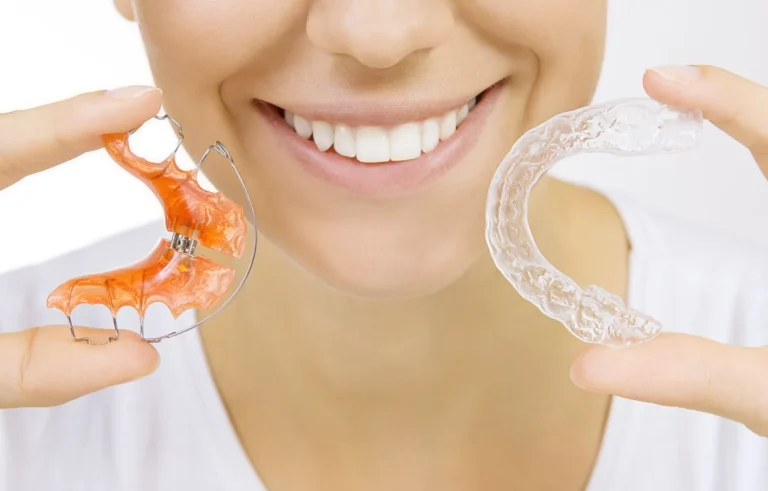
Many patients ask themselves “how often should you get your teeth cleaned?”, especially when they start noticing tartar buildup, gum sensitivity or changes in the appearance of their smile. Professional dental hygiene is one of the most important preventive treatments for maintaining long-term oral health and preventing issues that often develop silently over time.
At My Dental Clinic in Dubai, prevention is considered a fundamental part of oral wellbeing. A proper daily oral care routine is extremely important, but in many cases it may not be enough to completely remove plaque and tartar from hard-to-reach areas. For this reason, professional hygiene appointments continue to play a central role in maintaining healthy teeth and gums.
Many people associate dental cleaning only with aesthetics or whitening. In reality, professional hygiene primarily helps prevent gum inflammation, bacterial buildup and oral health problems that could worsen if left untreated.
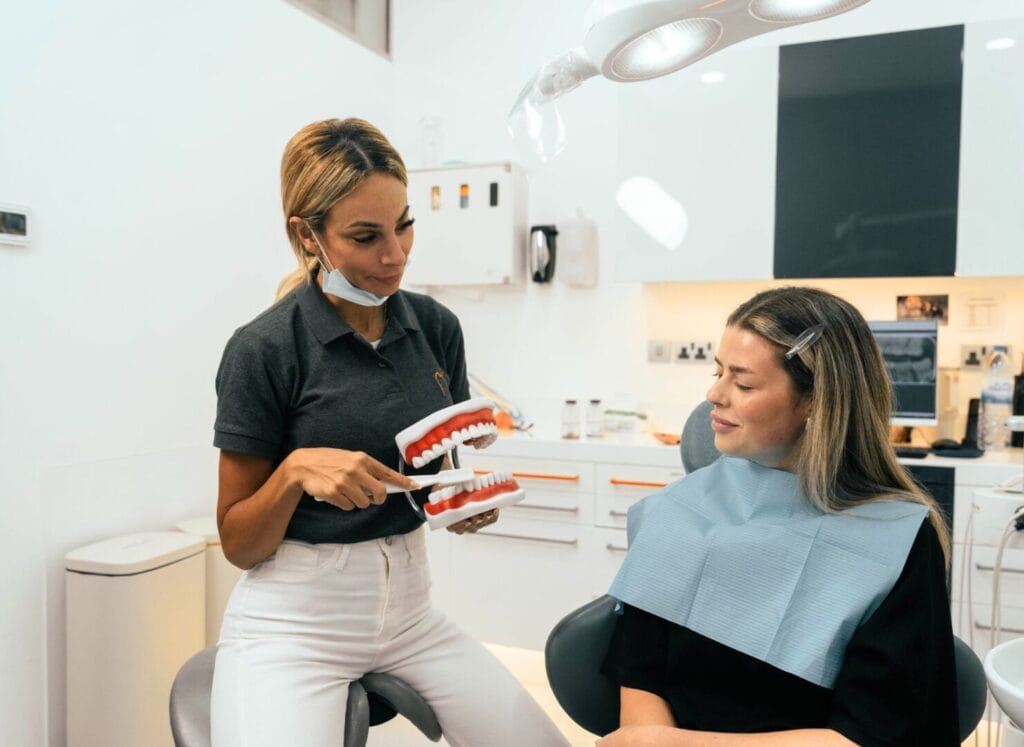
How often should you have professional teeth cleaning?
There is no identical answer for every patient because the ideal frequency of professional cleaning depends on individual oral conditions. Some people naturally accumulate plaque and tartar more quickly than others.
In general, many patients schedule regular hygiene appointments and check-ups throughout the year to help maintain oral health and monitor any changes over time.
The frequency may vary depending on several factors:
- gum health;
- tartar buildup tendency;
- dietary habits;
- smoking;
- presence of orthodontic appliances or cosmetic restorations.
Even patients who brush correctly every day may still develop buildup in areas that are difficult to clean at home. Over time, these deposits harden into tartar, which cannot be removed with a toothbrush alone.
Many patients wait until they experience discomfort before booking a hygiene session. However, numerous gum problems begin without obvious symptoms. This is why consistent prevention is so important.
At My Dental Clinic in Dubai, the frequency of professional cleanings is personalized according to the patient’s needs and oral condition, with a strong focus on long-term preventive care.
What happens during a professional dental cleaning appointment?
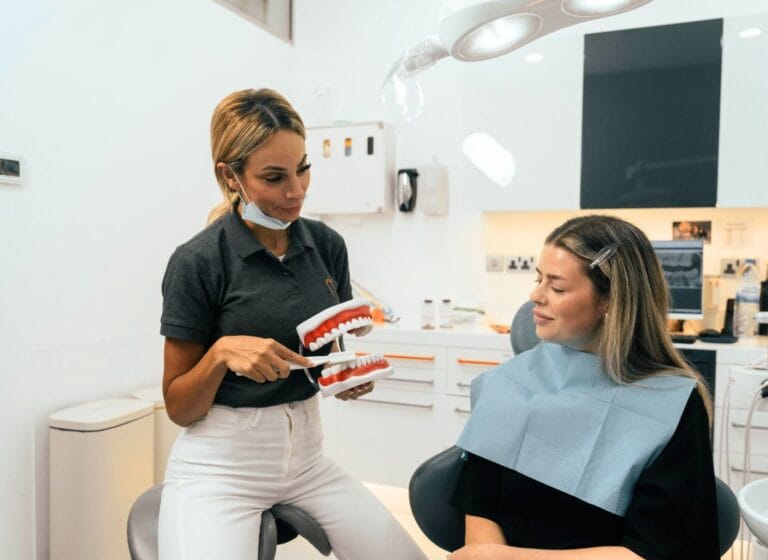
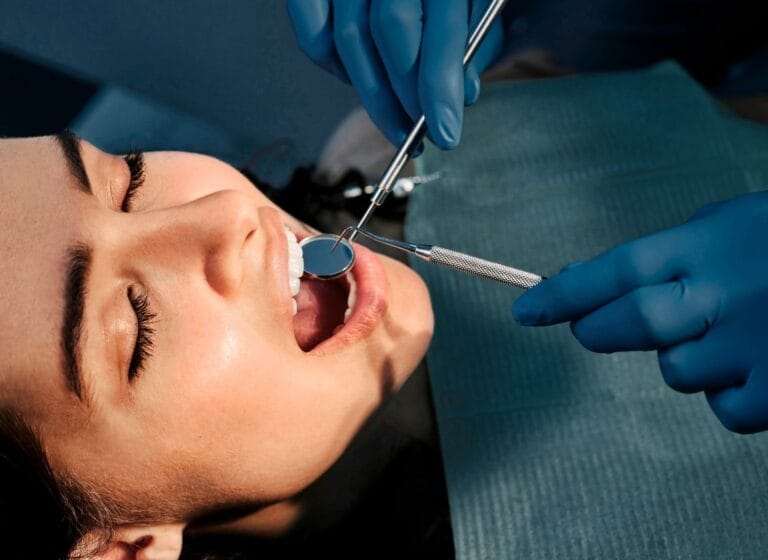
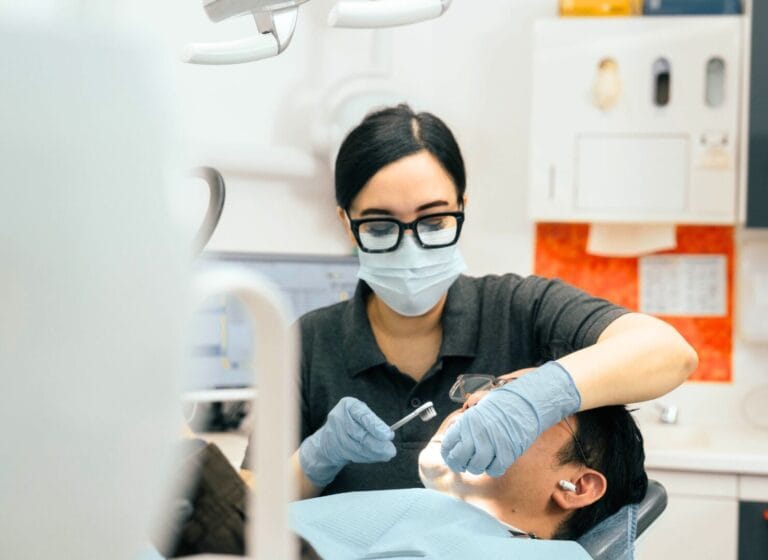
Many patients, especially those who have not had a cleaning in a long time, wonder what actually happens during a professional hygiene session. In reality, the treatment is much more than a simple “polishing” procedure and is specifically designed to support overall oral health.
During the appointment, plaque and tartar deposits located above and near the gum line are carefully removed. If left untreated, these deposits may contribute to irritation and gum inflammation over time.
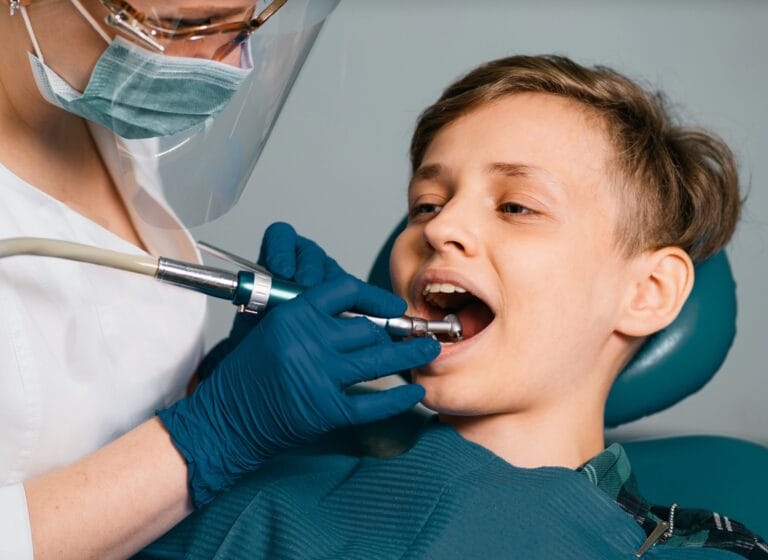
Modern technologies now allow treatments to be performed in a more comfortable and gentle way compared to the past. Ultrasonic instruments and dedicated systems are commonly used to remove buildup with greater precision.
The session may include:
- tartar removal;
- gum evaluation;
- polishing of tooth surfaces;
- oral hygiene assessment;
- personalized prevention advice.
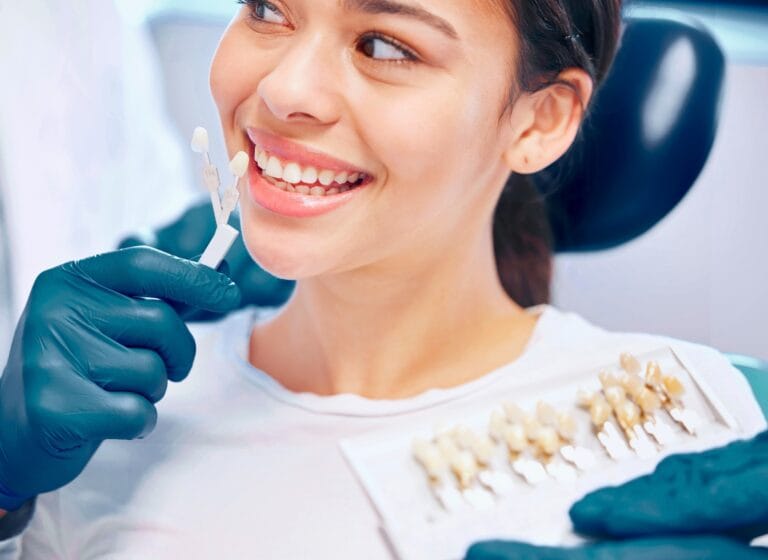
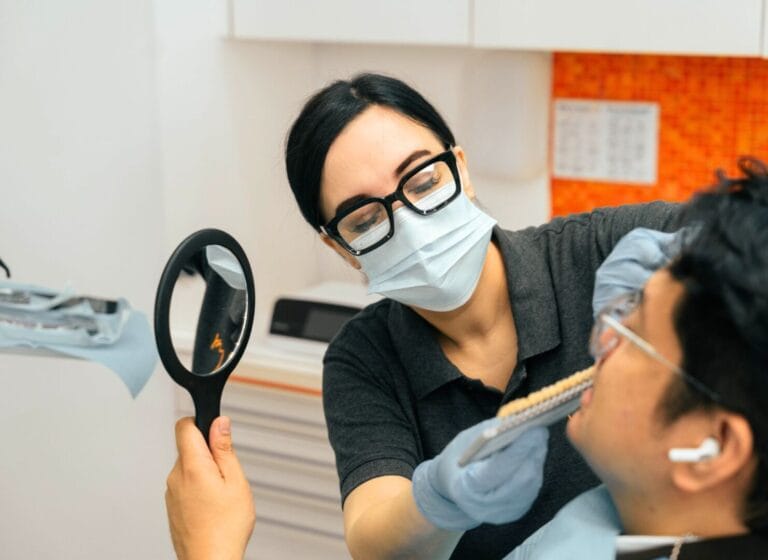
Many patients immediately notice a feeling of greater freshness and cleanliness after the procedure. The smile may also appear brighter due to the removal of superficial stains and pigmentation.
Another very important aspect involves oral health monitoring. During professional hygiene visits, dentists and hygienists can often detect early signs of inflammation or oral issues that deserve attention before they become more complex.
Does dental cleaning hurt or damage enamel?
One of the most common fears involves the idea that professional cleaning could damage the teeth or wear down the enamel. This belief is still widespread, but in most situations it does not reflect reality.
When professional hygiene is performed correctly by qualified professionals, the treatment is specifically designed to remove plaque and tartar without harming the tooth structure.
Many people associate temporary sensitivity after cleaning with “enamel loss”. In reality, this sensation is often related to the removal of tartar that was previously covering sensitive areas of the teeth.
Some patients are also concerned about gum bleeding during the procedure. In most cases, however, bleeding is actually a sign of pre-existing gum inflammation rather than damage caused by the cleaning itself.
Today, modern hygiene techniques place great emphasis on patient comfort and gentle treatment approaches. This has helped make professional cleaning generally more manageable even for patients with sensitivity or dental anxiety.
At My Dental Clinic in Dubai, patient comfort is considered an important part of the clinical experience, especially during preventive and maintenance treatments dedicated to oral health.
How long does a dental cleaning take and what should be avoided afterward?
Many patients want to know how much time a professional hygiene session requires and whether there are any restrictions after the appointment.
The duration may vary depending on the amount of tartar present, gum condition and the patient’s individual needs. In general, appointments are planned in a personalized way to ensure accurate cleaning while minimizing discomfort.
After treatment, some people may temporarily experience:
- mild sensitivity;
- temporary gum discomfort;
- increased cold sensitivity;
- smoother-feeling teeth.
These sensations generally decrease quickly within the following days.
Many patients ask whether it is possible to eat or drink immediately after the session. In certain situations, especially when additional procedures are performed, the professional may temporarily recommend avoiding highly pigmented foods or beverages.
Coffee, tea, red wine and smoking may also increase the risk of pigmentation immediately after some cleaning or polishing procedures.
Following the recommendations provided during the appointment helps maintain the feeling of cleanliness and gum wellbeing achieved through treatment for a longer period of time.
Why professional cleaning is important even if you brush your teeth properly
Many people believe that good home oral hygiene makes professional cleaning unnecessary. In reality, even patients who regularly use a toothbrush and floss can still accumulate plaque and tartar in areas that are difficult to reach.
Over time, these deposits may contribute to:
- gum inflammation;
- bleeding;
- bad breath;
- bacterial buildup;
- periodontal problems.
Professional hygiene helps specifically target these hard-to-clean areas. It also represents an important opportunity to monitor oral health changes over time.
Another key aspect is prevention. Many dental issues begin without noticeable symptoms and may gradually worsen if not properly monitored.
Professional prevention is not only about the appearance of the smile, but also about maintaining the overall balance of the mouth. Healthy gums and clean teeth contribute significantly to everyday comfort and to the long-term stability of cosmetic or restorative dental treatments.
Can you get your teeth cleaned with braces, veneers or implants?
Many patients who wear orthodontic appliances or have veneers or dental implants wonder whether professional hygiene requires special care. In reality, these situations often make professional monitoring even more important.
The presence of orthodontic devices or aesthetic restorations can make certain areas more difficult to clean properly at home.
For this reason, the professional carefully evaluates:
- gum health;
- plaque accumulation;
- restoration stability;
- home oral hygiene quality;
- critical areas that require monitoring.
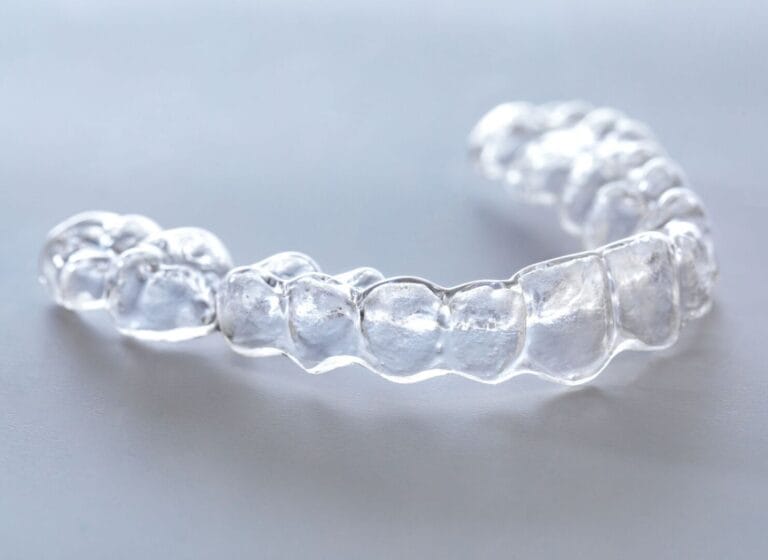
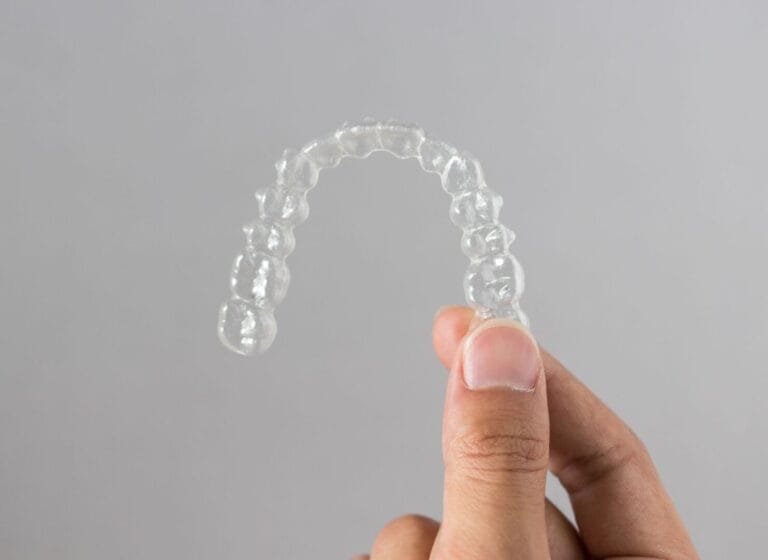
Patients with clear aligners or dental veneers also need consistent prevention to help maintain a healthy and balanced smile over time.
At My Dental Clinic in Dubai, prevention is integrated into all cosmetic and functional treatment plans in order to help preserve the achieved results over the long term.
How often should you get your teeth cleaned and why prevention truly matters
Understanding how often should you get your teeth cleaned means recognizing how important prevention is for long-term oral health. Professional hygiene is not only intended to improve the appearance of the smile, but also represents a fundamental tool for monitoring gums, teeth and bacterial buildup over time.
Every patient has different needs, which is why the frequency of hygiene sessions should always be personalized according to the individual clinical situation. At My Dental Clinic, prevention is approached through a modern, attentive and personalized philosophy, with the goal of helping patients maintain a healthy, harmonious and stable smile over time.
📞 +971 43388939
💬 +971 559104977
✉️ reception@mydentalclinic.ae
📍 Al Thanya Street 61, Umm Suqeim 2, Dubai, UAE