
How long do dental veneers last on average?
Dental veneers are often chosen by patients who want to improve the shape, colour, harmony and overall appearance of their smile in a natural-looking way. One of the most common questions before starting this treatment is very simple: how long do dental veneers last?
The answer depends on several factors, including the material used, the condition of the natural teeth, oral hygiene habits, bite balance, lifestyle and the quality of the treatment planning. In many cases, dental veneers can last for many years, but they are not a permanent solution that can be forgotten once placed. Like natural teeth, they need attention, regular check-ups and correct daily care.
At My Dental Clinic in Dubai, every veneer case is carefully planned with a personalised approach. The aim is not only to improve the appearance of the smile, but also to protect function, comfort and long-term oral health. A beautiful smile should feel comfortable, stable and easy to maintain in everyday life.
In this article, we will explain what dental veneers are, how long they usually last, why some veneers last longer than others, how to care for them properly, what habits can damage them and when it may be necessary to replace them. We will also explain why avoiding DIY solutions is important and why a dentist-led treatment plan is always the safest way to achieve a balanced and long-lasting result.
What are dental veneers and why does their lifespan vary?
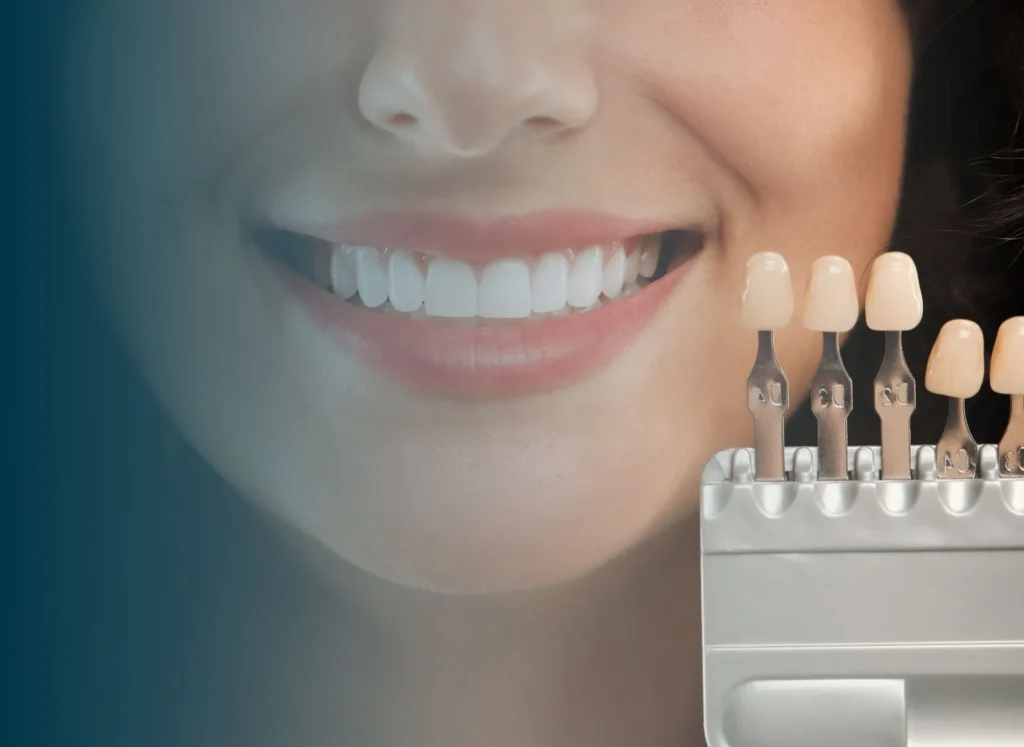
Dental veneers are thin restorations applied to the visible surface of the teeth to improve their shape, colour, proportions and general appearance. They are often used when teeth are stained, worn, slightly chipped, irregular in shape or affected by small aesthetic imperfections that cannot be corrected with whitening alone. Veneers can be made from different dental materials, and their durability can vary depending on the type of veneer selected and the clinical situation of the patient.
When patients ask how long do dental veneers last, it is important to understand that veneers are not all the same. A veneer placed on a healthy tooth, with a stable bite and good oral hygiene, will generally have better long-term conditions than a veneer placed in a mouth where there is grinding, gum inflammation, untreated cavities or poor cleaning habits.
The lifespan of veneers also depends on planning. Before placing veneers, the dentist must evaluate the teeth, gums, bite, enamel, smile line and patient expectations. This is why a careful first visit is essential. At My Dental Clinic, the process may include photographs, digital scans, X-rays when needed and a detailed discussion with the patient. This allows the dentist to understand not only what the patient wants aesthetically, but also what is clinically safe and realistic.
A veneer is not simply a cosmetic layer placed on a tooth. It must fit correctly, respect the gum line, allow the patient to bite comfortably and integrate with the rest of the smile. When these elements are respected, the treatment has a stronger foundation for long-term stability.
How long do dental veneers last on average?
On average, dental veneers can last many years when they are well planned, correctly placed and properly maintained. Many patients enjoy their veneers for a long time, especially when they follow their dentist’s advice and attend regular check-ups. However, there is no single exact duration that applies to every patient, because each mouth is different.
The question how long do dental veneers last should always be answered by considering personal factors. Some patients have very gentle chewing habits, excellent hygiene and a balanced bite. Others may grind their teeth at night, clench during the day, bite hard objects or have gum problems. These differences can affect how veneers age over time.
Porcelain and ceramic veneers are generally known for their strength, stain resistance and natural appearance. Composite veneers can also improve the smile, but they may need maintenance more often, depending on the case. The dentist will explain which option is more suitable after examining the patient’s teeth and understanding the desired result.
It is also important to remember that veneers are placed on natural teeth. This means that the health of the tooth underneath remains very important. If decay develops around the edges of a veneer, or if the gums become inflamed, the veneer may need repair or replacement earlier than expected. For this reason, long-term success does not depend only on the veneer itself, but also on the health of the entire mouth.
At My Dental Clinic, patients are guided through the process with simple explanations, so they know how to protect their veneers from the beginning. The goal is to create a smile that looks natural and is supported by healthy foundations.
Why do some dental veneers last longer than others?
Some dental veneers last longer because they are placed in healthier, more stable conditions. The quality of the material matters, but it is only one part of the story. A veneer also needs a suitable tooth surface, correct bonding, healthy gums and a bite that does not place excessive force on the restoration.
One of the main reasons veneers may fail earlier is excessive pressure. Patients who grind or clench their teeth can place strong forces on veneers, especially during sleep. Over time, this can lead to small cracks, chips or debonding. In these cases, the dentist may recommend a protective nightguard to reduce stress on the teeth and restorations.
Another important factor is oral hygiene. Veneers themselves cannot develop cavities, but the natural tooth around and underneath them can. If plaque builds up along the gum line, the gums may become irritated and the edges of the veneers may become more vulnerable. Brushing, interdental cleaning and professional hygiene appointments are therefore essential.
Diet and habits also play a role. Biting nails, chewing pens, opening packages with the teeth or regularly biting very hard foods can damage veneers. These habits may seem harmless, but they can create repeated stress on thin restorations.
When patients ask how long do dental veneers last, the most honest answer is that longevity is a shared responsibility between the dental team and the patient. The dentist must plan and place the veneers carefully, while the patient must protect them every day. At My Dental Clinic, this relationship is central to care: patients receive clear guidance, practical advice and follow-up support to help preserve their smile.
How can you make dental veneers last longer?
The best way to make dental veneers last longer is to treat them with the same respect as natural teeth. Veneers are strong, but they are not indestructible. Good daily habits can make a significant difference in how they look and function over time.
The first step is careful brushing. A soft toothbrush and proper technique help remove plaque without irritating the gums. Brushing too aggressively can cause gum recession, while brushing too little can allow plaque to accumulate around the veneer margins. The dentist or hygienist can show the patient how to clean effectively without causing trauma.
Interdental cleaning is equally important. Food and plaque can collect between teeth, including teeth with veneers. Using floss or interdental brushes correctly helps protect the gums and the natural tooth structure. Patients who are unsure which method is suitable should ask their dental hygienist for personalised guidance.
Professional hygiene appointments are also essential. Even with excellent home care, some areas are difficult to clean perfectly. A hygienist can remove deposits, check gum health and help detect small issues before they become more serious. At My Dental Clinic, oral hygiene is a key part of long-term veneer maintenance, because a healthy smile is not only about appearance but also about prevention.
To protect veneers, patients should also avoid using their teeth as tools. Teeth are designed for chewing food, not for opening bottles, cutting tape or holding objects. If the patient plays sports, a custom mouthguard may be recommended. If grinding is present, a nightguard can help reduce pressure.
So, how long do dental veneers last when cared for correctly? They can remain beautiful and functional for many years, especially when daily habits and professional follow-ups work together.
What can damage dental veneers?
Dental veneers can be damaged by habits, trauma, poor oral hygiene or untreated dental problems. Understanding these risks helps patients protect their investment in their smile and avoid unnecessary complications.
One of the most common risks is biting hard objects. Ice, hard sweets, pens, fingernails and very hard foods can place sudden pressure on veneers. Even natural teeth can chip under this kind of force, and veneers are no exception. Patients should avoid chewing anything that is not food and should be careful with very hard textures.
Bruxism, or teeth grinding, is another major factor. Many people grind their teeth without realising it, especially during sleep. Signs may include morning jaw tension, headaches, tooth wear, sensitivity or small fractures. If a patient has veneers and grinds their teeth, the dentist may recommend a nightguard to help protect both the restorations and the natural teeth.
Poor gum health can also create problems. Inflamed gums may bleed, recede or expose veneer margins. This can affect both aesthetics and hygiene. A veneer that once looked perfectly integrated may appear less natural if the gum line changes over time. This is why periodontal health should be evaluated before and after veneer treatment.
Patients should also avoid DIY whitening or polishing methods. Abrasive powders, acidic substances or online “hacks” can damage enamel, irritate gums and affect the appearance of dental work. Veneers do not respond to whitening like natural teeth, so trying to change their colour at home can lead to uneven results or sensitivity in surrounding teeth.
When considering how long do dental veneers last, avoiding harmful habits is just as important as choosing the right treatment. A dentist can explain what is safe, what should be avoided and how to maintain the smile without unnecessary risks.
Can dental veneers stain, chip or fall off?
Dental veneers are designed to be stable and natural-looking, but like any dental restoration, they can sometimes stain, chip or come loose. The risk depends on the material, the patient’s habits, the bite and the quality of maintenance over time.
Porcelain and ceramic veneers are generally resistant to staining, especially compared with natural enamel. However, the edges of the veneers and the surrounding teeth can still be affected by plaque, pigments and gum health. Drinks such as coffee, tea and red-coloured beverages may not stain the veneer surface easily, but they can affect natural teeth nearby, creating colour differences over time. This is why regular hygiene care remains important.
Chipping can occur if a veneer is exposed to excessive force. A small chip may sometimes be polished or repaired, depending on the situation. A larger fracture may require replacement. The dentist must assess the veneer carefully to decide the safest solution.
A veneer can also debond, meaning it separates from the tooth. This may happen because of trauma, bite overload, insufficient enamel support, decay around the margin or repeated stress. If a veneer comes off, the patient should not try to glue it back at home. Household adhesives are unsafe for oral tissues and can damage the tooth or restoration. The correct step is to contact the dental practice and bring the veneer, if available, so the dentist can evaluate it.
So, how long do dental veneers last if they can chip or fall off? In well-planned cases, these problems are not expected to happen frequently, but they remain possible. Regular check-ups help detect early signs of wear, bite changes or gum issues before they compromise the final result.
How do dentists check if veneers are still healthy?
Dentists check the health of veneers by looking at both the restoration and the tooth supporting it. A veneer may look beautiful from the outside, but the dentist must also evaluate the margins, gums, bite and surrounding teeth to make sure everything remains stable.
During a check-up, the dentist examines whether the veneers are still well bonded and whether there are any cracks, chips or rough edges. The gum line is also assessed, because healthy gums should fit comfortably around the teeth without persistent swelling, bleeding or recession. If gum inflammation is present, it may need to be treated before it affects the veneer margins.
The bite is another important part of the evaluation. Teeth naturally shift and wear over time, and changes in the bite can increase pressure on veneers. The dentist may check how the upper and lower teeth contact each other during chewing and jaw movement. If the veneers are receiving too much force, adjustments or protective appliances may be recommended.
In some cases, X-rays may be needed to check the tooth structure, especially if there is concern about decay, previous restorations or symptoms such as sensitivity. Digital scans and photographs can also help monitor changes in the smile over time.
At My Dental Clinic, follow-up care is part of a patient-centred approach. The dental team explains findings in clear language, so patients understand what is happening and what can be done to protect their smile. This is especially important for patients asking how long do dental veneers last, because ongoing monitoring is one of the best ways to support long-term success.
Veneers should not be forgotten after placement. They should be checked regularly, just like natural teeth.
Why should you avoid DIY methods for veneer care?
DIY dental methods can be risky, especially for patients with veneers. Many online tips promise whiter teeth, smoother surfaces or quick fixes for chips and stains, but these methods are often unsafe and can create more problems than they solve.
Abrasive powders, acidic mixtures and harsh brushing techniques can irritate gums, wear natural enamel and damage the polish of dental restorations. Some patients try to use whitening products without guidance, but veneers do not whiten in the same way as natural teeth. This can lead to uneven colour, with natural teeth becoming lighter while veneers remain the same shade.
Another dangerous mistake is trying to repair a loose or broken veneer at home. Using household glue, temporary materials or non-dental products can harm the gums, affect the tooth surface and make professional repair more difficult. If a veneer chips or comes off, it should always be assessed by a dentist.
Patients may also be tempted to order generic mouthguards online to protect veneers from grinding. However, if a guard does not fit correctly, it may create uneven pressure and worsen jaw discomfort or bite problems. A custom-made appliance designed by a dentist is safer because it is adapted to the patient’s mouth and bite.
When asking how long do dental veneers last, patients should remember that professional guidance matters. Veneers are part of a carefully designed dental treatment, and their maintenance should also be supervised by qualified dental professionals. At My Dental Clinic, patients receive practical advice on how to clean, protect and maintain veneers without taking unnecessary risks.
Safe care is not complicated, but it must be correct. A dentist can help patients understand what is useful, what is unnecessary and what should be avoided.
When should dental veneers be replaced?
Dental veneers may need to be replaced when they no longer fit, function or look as they should. Replacement does not always mean something went wrong. Sometimes veneers reach the end of their natural service life, or the patient’s mouth changes over time.
A veneer may need replacement if it is cracked, repeatedly chipping, loose or affected by decay around the tooth margin. It may also be replaced if the gum line has changed significantly and the aesthetic result no longer looks balanced. In other cases, patients may want to update old veneers because their smile goals have changed, but this decision should always be made after a professional evaluation.
Symptoms such as sensitivity, discomfort when biting, rough edges, bleeding gums or visible dark lines around a veneer should not be ignored. These signs do not always mean the veneer must be replaced, but they should be checked. Early diagnosis can often prevent more complex treatment.
The replacement process depends on the condition of the existing veneer and the tooth underneath. The dentist will carefully remove the old restoration, assess the tooth, treat any underlying issue and plan a new veneer if appropriate. Digital tools can help design the shape and proportions of the new smile with precision.
So, how long do dental veneers last before replacement becomes necessary? The answer depends on the individual case, but regular monitoring helps the dentist understand when maintenance is enough and when replacement is the healthier option.
At My Dental Clinic in Dubai, veneer replacement is approached with the same care as a new case: the focus is on aesthetics, comfort, function and the preservation of natural tooth structure whenever possible.
Conclusion: how long do dental veneers last and how can you protect your smile?
Understanding how long do dental veneers last helps patients make informed decisions before starting treatment. Veneers can remain attractive and functional for many years, but their longevity depends on planning, material selection, oral hygiene, bite stability, lifestyle habits and regular dental check-ups.
A long-lasting veneer treatment begins with a careful diagnosis. The dentist must evaluate the teeth, gums, bite and smile design before recommending the most suitable solution. Once the veneers are placed, the patient plays an important role by brushing correctly, cleaning between the teeth, avoiding harmful habits and attending professional hygiene and review appointments.
It is also important to avoid DIY methods. Veneers should not be whitened, polished, repaired or reattached at home. If something feels different, looks damaged or becomes uncomfortable, the safest choice is always to speak with a dentist.
At My Dental Clinic, the approach to dental veneers is simple, empathetic and personalised. Patients are guided step by step, with clear explanations and a focus on comfort, natural aesthetics and long-term oral health. A beautiful smile should not only look good on the day the veneers are placed, but continue to feel healthy and harmonious over time.
If you are considering dental veneers or already have them and want to understand how to maintain them properly, contact the clinic to book an appointment and receive personalised advice for your smile.
Visit My Dental Clinic at Al Thanya Street 61, Umm Suqeim 2, Dubai